We Accept Insurance!
Categories
anxiety BIPOC Mental health Blog business mental health depression men's mental health Provider

Care Insights: Community Health & Black Mental Health with Shaunae Tolson, LPC

Therapy Insights: Community Health & Black Mental Health with Shaunae Tolson, LPC

February 6, 2023

Black Mental Health & Black History Month

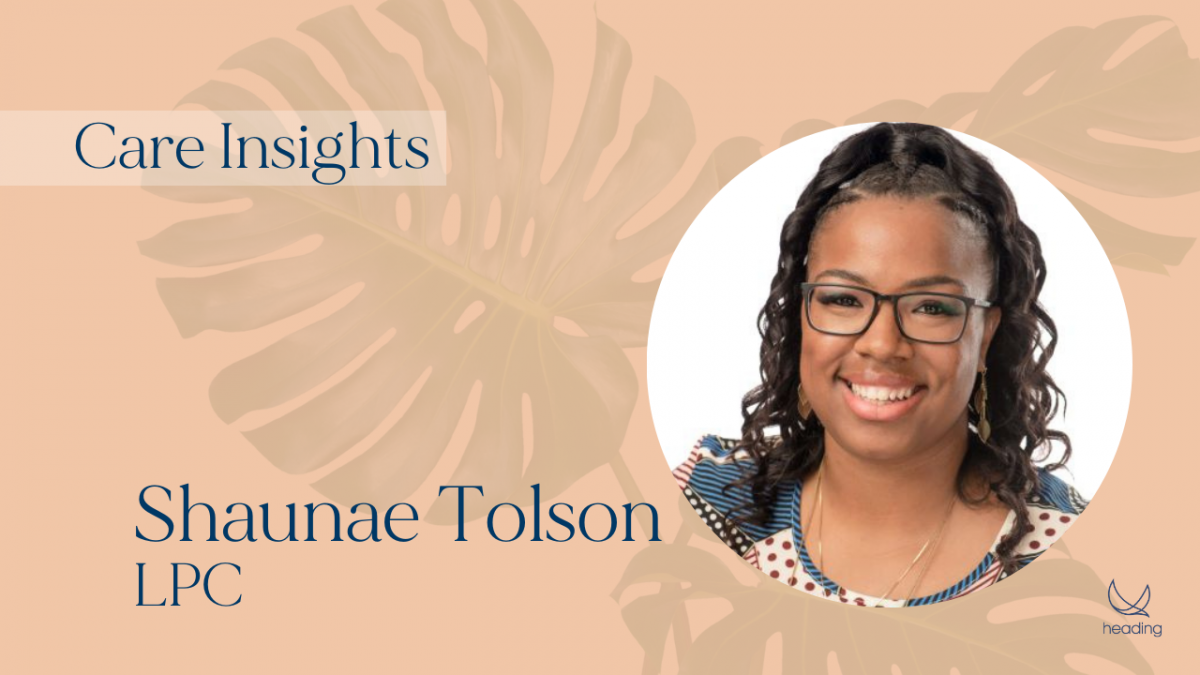
In this Care Insights we spoke with Shaunae Tolson, LPC.  Shaunae is a counselor who offers virtual therapy services to Texas, and is part of the care team at Heading Health.


Shaunae shared with us her inspiration for entering the field of mental health, her perspective on providing mental health care and receiving mental health care as a Black woman, and what she feels is the duty of the medical system and those in health care when it comes to not only serving individuals but also being the change she hopes to see for all patients.

February is Black History Month, a month that serves to recognize the contributions and achievements of Black individuals, with special focus on sharing important stories of the people and moments in Black history that have and continue to play a central role in U.S. history, and offers a powerful reminder that Black culture is American culture.  In our conversation with Shaunae, she shared what this month means to her and how Black Mental Health should be part of the conversation, this month and every month.


“Well, obviously, being a Black woman I grew up black with all the challenges that come with growing up Black. And for me, and many people in my community,  mental health was not mentioned or talked about or acknowledged. The closest thing you get to counsel is ‘go to church’, ‘give it to God’, or you’re told to pray or talk to the pastor,” Shaunae reflects.


“I think that’s why it’s important to talk about Mental Health when we talk about Black History.”


Mental Illness, PTSD and Survival

Shaunae grew up in what she called a ‘rough, inner city neighborhood’, and recognized that most people in her community were experiencing significant challenges. Now, as a therapist she is able to empathize with her clients who have been raised in similar circumstances. Shaunae shared that she feels that what may be labeled as ‘mental illness’ is often survival mechanisms and habits for coping.  The impact of living under extreme stress for a prolonged period of time often creates mental and physical health symptoms that aren’t always obvious, because surviving becomes another part of daily living.


“I was an inner city kid. And I feel like a lot of inner city kids suffer from PTSD. For me, having family members that have gone through the legal system, we suffered, but we had to suck it up. No one really talks to inner city kids about the exposure they have had to really difficult circumstances, and what impact witnessing these things is having on them”


“What I know now about PTSD, as a counseling professional, is that it’s just survival tactics really.  You’re often forced to learn them and sometimes just don’t have a choice in the matter. It can come with aloofness, a numbing, pretending like you’re unbreakable, or coming across as standoffish or disrespectful. But what people need to realize is that at the end of the day – basic needs always win. You do what you think keeps you safe.” Shaunae shares.


Shaunae’s personal experience concerning the difficult nature of mental health diagnoses, and even misdiagnoses, when dealing with trauma echoes broader issues of racial disparity in mental health care. A 2018 study from Rutgers University compared the diagnoses given to over 1600 people and concluded that very often Black men with a diagnosis of schizophrenia were much more likely than non-Black individuals with a schizophrenia diagnosis to also qualify for a diagnosis of major depression and PTSD. Yet, the screening for mood disorders and diagnosis of major depression was often not given.  Discussion of this study also noted the finding suggests a bias towards screening Black individuals for psychotic symptoms over mood disorders.


Undertreated major depression is significant, as it is a misdiagnosis of schizophrenia, in both instances the potential for inappropriate treatment or undertreatment comes with significant health risks.


“You know with police brutality, lack of opportunity, crime, and a lot of what happens in rougher neighborhoods relates to people doing what they know to do based on the demands of their environment. And it takes time and perspective, and really the ability to step away, to realize that sometimes coping techniques are dysfunctional, and understand that your feelings do matter.  But it’s hard to form that sort of perspective if you’re stuck or you’re unsafe. You have to survive first. Mental health or emotions are not going to be seen as a priority, because they’re emotions. They don’t feed you, put clothes on your back or keep the electricity on.”


The challenge of offering support to an individual when societal factors play a large role in a patient’s suffering is an aspect of her job that Shaunae embraced, ”I think that’s why it’s such a  passion of mine. The work is complicated because I’d often have to say to someone, ‘You’re right, you still have to survive, unfortunately, because of the cards that you were dealt and the situation that you’re dealing with’.” 

Doing Healing Work In a Broken System

The resilience of the people Shaunae supported in her time in community mental health stoked a passion for her career in counseling. When Shaunae reflected on her time in community mental health she shared that one of the most difficult aspects of that work was not being able to change the environment she was sending people back into after their session, but that community centers were the heart of change for neighborhoods like the one where she raised.


“I’m a huge advocate of community centers,” Shaunae shared excitedly.


“I worked in community mental health. So, I dealt with, you know, America’s true people. And I’ve heard a lot of things, and witnessed a lot of emotion that stem from really horrible experiences. Even though I couldn’t necessarily change their experiences or what they were going through, I  saw the impact of just being heard, and having a safe space for letting it all out,” Shaunae remarked.


 “We can’t fix the situation. Most times we have to send them back to where they came from and they have to continue to survive. But I don’t think people understand the impact of just having a brief moment of not having to worry.”


Community centers are often frontline areas of support for low-income people who live in inner city environments. While the American Affordable Care Act did begin to close the insurance gap, Black individuals still trail behind in coverage, and are much less likely to have private insurance making access to quality mental health care difficult and cost prohibitive. Safe spaces where counseling, support groups, social services, and recreation, become centrally important in providing low cost and zero cost access to meaningful access.


“When you’re worried about basic needs emotions are not going to be a priority. But there can also be some acknowledgement and support. And that goes a long way. Just a space for releasing is impactful.”

Need for Black Mental Health Professionals

When asked about her perspective on receiving mental health counseling for someone of the same race, Shaunae’s response was nuanced and thoughtful. It was clear this is a topic she’s considered often in her own life and in her career. 


“I have a mixed perspective. It’s not always necessary for your therapist to look like you, but sometimes it can help. Some of the greatest therapists I saw were white women. I never felt like they couldn’t help me because they didn’t understand my struggle or that I couldn’t meet with them, but I also will add that at the time I was already studying this work. So I had some awareness. But, in reflecting back, the biggest reason I was able to navigate [having a white therapist] was because growing up my mom always made a way to ensure we were able to go charter schools. I was not a stranger to being in predominantly white environments.”


One important aspect of reducing stigma and improving care and access for the Black community relates back to a greater need for diversity in the mental health field in general. The APA reported that as of 2015 the field of psychology was less diverse than the nation as a whole, and that only 4% of professionals in the psychology field identified as Black. While beneficial care is not reliant upon racial, gender, or sexual orientation matching between patient and provider, there are real benefits to care when a patient feels more comfortable building a rapport with someone of their own background. 


In Shaunae’s own therapy journey, connecting with a therapist who was a Black woman made a difference for her. She shared, “When I got my first Black therapist, that shifted things for me. I can’t even pinpoint the exact shift, but it took my treatment to a deeper level. Having that connection of culture was significant. A lot of the things that I explore with my current therapist, who is a Black woman, are also things that I explored with white therapists. However, now with that shared connection I’ve been able to revisit those topics and process the experiences more deeply. Her understanding of the Black experience, and being able to ask certain questions about the Black experience and being a Black woman especially, helped.”


Rapport is a significant indicator of therapeutic success, even more so than a specific theory or modality used in session. Research on cultural competency and its relationships to therapeutic outcomes is gaining more traction though a precise definition of what it means to offer culturally competent care is still difficult to pinpoint. But, research shows that providers can unintentionally contribute to increased racial and ethnic disparities in care, and on the whole the system needs improvement. Though the fact remains that racial and ethnic minorities are less likely to receive psychological care than the white majority, and in order to meet the need more BIPOC are needed and white providers need to become more immersed in providing care to a culturally diverse patient population.


“For Black people who may be resistant to therapy, or nervous to talk, having someone that they immediately feel like they can trust and relate to might make a big difference. Someone of a different race, who’s just very textbook, just not aware and simply feeding what CBT told you to say if a client says a certain thing – that’s a turn off.”


Given that the overwhelming majority of psychology professions are white there is a tremendous need for learning and education around what it means to offer culturally competent, sensitive, and relevant care. Shaunae shared, “Clients who have come to me after experiencing a white therapist or someone who just wasn’t culturally aware said it was off putting and it made them quit there because to them it’s like, ‘I don’t need you to tell me what the textbook said or to watch calming soothing videos, I don’t need that, I need you to hear me and know what I’m talking about.’”

How Mental Health Practices and Providers Can Support Change

“When it comes to changing Black Mental Health I think first of access. Access provides the opportunity for a powerful trifecta: Awareness, Perspective, and Trajectory. Awareness comes through psychoeducation and therapy to unlock the path to psychological freedom. This leads to a shift in perspective, and that unlocks hope. Hope is needed in order to change the trajectory of one’s life; a life that may have seemed unattainable.”


Facilitating space for hope can be a change with insurance gaps, and difficulties in access – even with the advent of virtual therapy.  When asked what she thinks mental health practices and providers could do to influence systemic change and promote greater access, Shaunae had very concrete ideas of what she’d like to see.


“Educational assistance, and medicaid. I don’t know the logistics behind convincing more companies to accept medicaid, or how to improve the care that comes with it, but when I was working in community mental health accepting Medicaid was huge. Unfortunately when it comes to medicaid, people don’t always get the best care, and we need to change that too. I believe mental health practices and providers have a responsibility to figure it out.”


In the short term, Shaunae challenged practices and providers to align and support organizations already offering care to those who need it. 

“I remember when I was growing up in the projects there was a community center. It was just a place for us to escape. It had recreational activities, and people we could talk to if we needed. Simple things like that. Mental health care practices should support the places in the community that are already doing the work. Centers are monumental because there’s no transportation barrier, and financial barriers aren’t there. Growing up, I didn’t know what yoga or Pilates or meditation was. Community centers are starting to bring some of these things that we, even I, preach to our clients.”


From Shaunae’s perspective an action everyone who cares about improving mental health care equity can do is to find ways to support safe spaces, “We need places where at least you get a break, because we all need a break.”

Take the first step

Want to find out if Heading is right for you? 

Complete our consultation form and an intake specialist will get in touch.


Schedule your consultation
Categories
anxiety Blog depression therapy wellness

Breaking the Stigma: The Truth About Mental Health Diagnoses

Breaking the Stigma: The Truth About Mental Health Diagnoses

January 26, 2023

Whether you’ve just received a diagnosis or are curious about what it would mean if you got one, you likely have some questions about these mental health labels. Why are they so important? Do they mean your stress is permanent? How do they impact treatment?


We answer these questions and more below.

What Does a Mental Health Diagnosis Mean?

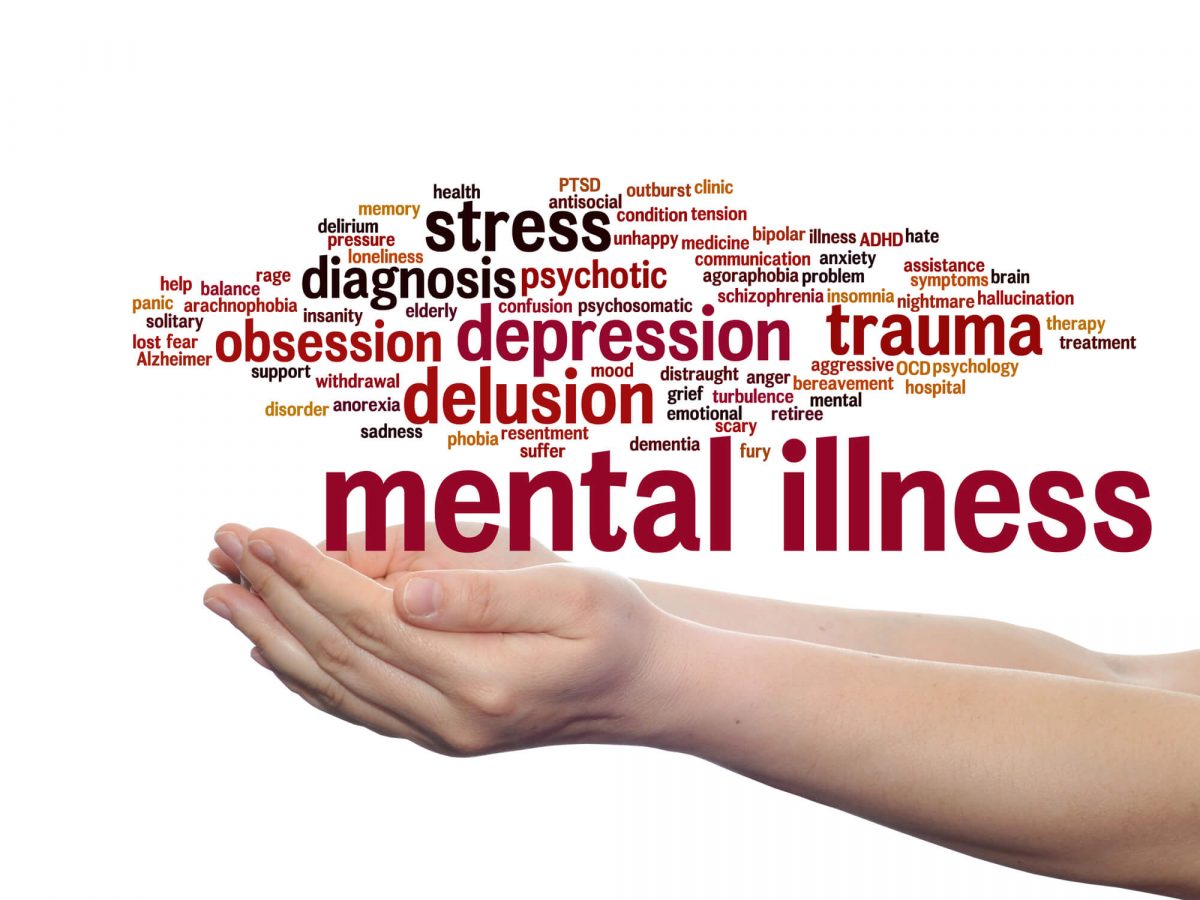
Mental health exists on a spectrum. We all experience stress and anxiety from time to time. For some people, it’s worse than others. According to Julie Isaacs, senior vice president of clinical operations and therapy here at Heading Health, stress, anxiety, and other states involved in mental health conditions are signs of a mental illness when they are disproportionate to the situation, persistent, cause a significant amount of distress, and interfere with your ability to function. For example, though everyone worries and experiences fear, this can turn into a generalized anxiety disorder (GAD) if it’s experienced for at least six months, tends to be excessive, and limits your ability to function (e.g., at your job or in your social relationships).

Why Diagnosis is Important

Though they can seem intimidating, mental health diagnoses are crucial components of the therapeutic process. Here’s why.

Gaining Insight

Receiving a mental health diagnosis can help explain why you’ve been struggling and anticipate what issues you may face going forward. For example, a diagnosis of post-traumatic stress disorder (PTSD) would explain why you have been experiencing nightmares, flashbacks, and panic attacks. Not only can this help you better navigate the condition in the future, but knowing PTSD has been the cause of your stress can alleviate any sense of guilt or shame you’ve been experiencing for having these symptoms in the first place.

Identifying the Proper Treatment

Different conditions respond better to different interventions. For example, while obsessive-compulsive disorder (OCD) can be addressed with selective serotonin reuptake inhibitors (SSRIs) such as Zoloft and Prozac, bipolar disorder is better handled by mood stabilizers, such as Depakote or Lithium. 


By identifying your condition, your providers can make use of decades of research to offer you the most effective medications and therapeutic strategies.

Securing Insurance Coverage

Often, insurance companies will only cover a particular treatment if the patient has been diagnosed with a specific condition. For example, transcranial magnetic stimulation (TMS) is typically only covered for a limited set of conditions, such as treatment-resistant depression (TRD) and OCD.

Diagnosis and Stigma

Despite its benefits, diagnosis can come with a significant degree of stigma. People hold various negative beliefs about what it means to have a mental illness which can make seeking therapy or receiving a diagnosis a stressful, guilt-inducing process. For many, this can discourage them from seeking treatment in the first place. For example, a recent report found that 25 percent of those who did not seek help for their mental health cited stigma as the main reason why.

Myth Busting Common Misconceptions

Despite its benefits, diagnosis can come with a significant degree of stigma. People hold various negative beliefs about what it means to have a mental illness which can make seeking therapy or receiving a diagnosis a stressful, guilt-inducing process. For many, this can discourage them from seeking treatment in the first place. For example, a recent report found that 25 percent of those who did not seek help for their mental health cited stigma as the main reason why.

Myth #1: You Can’t Recover From a Mental Illness

Mental health conditions are often seen as life-long ailments with no hope of recovery.


Fact: A significant percentage of individuals with mental health conditions see substantial improvements in their symptoms after treatment. Many even experience remission, meaning they no longer show any signs of their initial illness. 


Those who don’t respond to the first few treatments can find help from novel interventions. For example, studies have found a 69 percent response rate and 52 percent remission rate in patients treated with  Spravato® (intranasal esketamine), which is FDA-approved for treatment-resistant depression. Similar results have been found for ketamine, and TMS.

Myth #2: Treatment is Scary

Ever since Once Flew Over The Cuckoo’s nest, mental health treatments have been poorly represented in movies and other forms of entertainment. 


Fact: Treatment is typically a pretty mundane process. In many cases, patients can improve with talk therapy alone. Medications and other biological interventions have been refined over the past several decades and now provide more targeted side-effect-free relief.

Myth #3: Mental Illness is Rare

Stigma is likely directly responsible for this myth. The percentage of individuals with undiagnosed mental health conditions is almost certainly underestimated, as many are apprehensive about seeking help in the first place. Moreover, those who do get help may not be ready to talk about it with friends and family. This creates a false perception that mental illness is rare. 


Fact: Mental illness is prevalent. According to the Centers for Disease Control and Prevention (CDC), more than 50 percent of people will be diagnosed with a mental illness at some point in their lifetime.

Myth #4: Only People with a Mental Illness Should See a Therapist

Since therapists treat individuals with mental health conditions, it’s natural to assume that you shouldn’t be in therapy unless you have a mental illness.


Fact: “The techniques and coping strategies therapists offer can help anyone dealing with stress and anxiety,” Patricia Hernandez, LCSW.  “So whether your experiencing day-to-day stress, marital problems, or clinical depression, therapy can be a useful tool on your journey to mental wellness.”

Myth #5: Mental Health Problems Are a Sign of Weakness

Those who haven’t experienced a mental health condition themselves or don’t know anyone who has may not understand why someone might struggle to manage their stress and anxiety. As a result, mental illness is sometimes perceived to result from or be a sign of weakness.


Fact: There is no evidence to suggest that mental illness results from an internal weakness or lack of willpower. 


“Individuals with mental illness are no less mentally tough than the average person,” shares Andrea Marquez, LCSW,  an Austin, Texas-based therapist. In fact, the very opposite may be true. Managing a mental health condition requires strength, resilience, and a great deal of mental bravery.

Takeaway

Receiving a mental health diagnosis can be scary. With so many misconceptions regarding the nature of mental illness and its implications, it’s natural to feel concerned about the diagnosis you’ve received or the possibility of getting one were you to start therapy. 


The reality is that diagnoses help both patients and providers understand their condition and offer the most effective treatments. While stigma still exists, its effects are waning, and by learning about what a mental health diagnosis does and doesn’t mean, you’re helping to paint a more accurate, optimistic picture of mental health.

Take the first step

Want to find out if Heading is right for you? 

Complete our consultation form and an intake specialist will get in touch.

Schedule your consultation
Categories
anxiety BIPOC Mental health Blog business mental health depression men's mental health Provider

Care Insights: Treating Severe Depression & Anxiety with Julie Isaacs, SVP of Operations & Therapy

Therapy Insights: Treating Depression & Anxiety with Julie Isaacs, LCSW

January 24, 2023

The Intersection of Depression, Anxiety, and Trauma

Depression and anxiety disorders are different mental health conditions that can have similar symptoms and can even co-occur. However, they have different causes that often require different types of treatment.


Julie Isaacs, SVP of Operations & Therapy at Heading, offered her insight into how depression and anxiety disorders intersect and the role of specializing a therapy practice to address long-standing and extreme stress.

Related Yet Distinct Diagnoses

“Anxiety and depression are like first cousins; they relate very well to one another and often share a lot of similarities. That said, the experience of depression, anxiety, or post-traumatic stress disorder (PTSD) is also unique to the individual person, and the therapeutic tool kit should be personalized as well,” shares Julie Isaacs. 


Diagnostic criteria for mental health disorders are helpful for research and developing treatments and support, but like other aspects of health problems often coexist. Depression is considered as a mood disorder and is often characterized by persistent feelings of sadness, hopelessness, and a lack of interest or pleasure in activities. Anxiety disorders are conditions that include excessive and persistent feelings of worry or dread, and typically comes with edginess, difficulty concentrating, fatigue, increased muscle tension and discomfort in the body, and trouble sleeping.  Trauma is a criterion of PTSD and the result is a response or set of responses to a deeply distressing or disturbing event, such as a natural disaster, a car accident, or a violent crime. People who have experienced trauma that results in PTSD experience anxiety and fear,  may have flashbacks and nightmares, and become hypervigilant to situations that remind them of the event or carry a perceived threat. Avoidance of uncontrollable situations and hypervigilance are coping mechanisms that promote personal safety. However, they often snowball into more rigid and isolated ways of being.  Over time, this increase in rigidity and isolation, along with the fear, anxiety, flashbacks, and nightmares, can leave those with PTSD at risk of developing depression as well as a substance abuse disorder. 


While PTSD can cause depression, depression is less likely to have been brought on by a single traumatic event. Instead, depression’s causes are more varied. It might be set off by a stressful life event that gives rise to sadness with a life of its own. Evidence suggests there may also be biological triggers that can put the condition in motion even in the absence of difficult circumstances. Often, it’s a more complicated combination of factors.


“Depression is sometimes experienced as ‘anger turned inward’, and this anger is also  experienced with anxiety disorders and PTSD especially if a person has gone untreated or undertreated for a long time,’” shares Julie.


Julie has dedicated her career to the treatment of severe depression and anxiety disorders. Through her years of experience working with individuals struggling with these mental health disorders, she has gained unique insights into the best approaches to helping people find healing and improve their quality of life. She also has vast experience mentoring therapists who want to specialize in these areas and knows firsthand how rewarding and challenging the work can be.


Understanding both the intersection of symptoms, and causes are important for appropriate care. However, the skill of understanding what someone is going through is not only a science but also an art as every individual’s personal experience of their mental health is expressed differently.

Naming the Unspoken Symptoms of Mental Illness

While diagnosis is essential for many aspects of treatment, it can come with strong feelings of shame due to the stigma associated with having a mental health condition. 


“Overcoming shame is a big part of developing the courage to seek treatment, and a therapist needs to know how to not only ask the right questions or identify the right symptoms but also how to build trust and rapport,” Julie points out. “Some patients might tell you right away what they’re going through. But it’s also very common to have a patient who is reluctant to use the words ‘depression’ or ‘PTSD.’ And that could be for many reasons. They may feel it will threaten their job, their standing, or their personal identity.”


As such diagnostic labels, while necessary and valuable for many medical and therapeutic reasons, carry substantial weight for the individual, which should be seriously considered. 


Julie also noted that stigma can have a different impact on men and women, especially when it comes to how they express their symptoms and whether they seek treatment. 


“Men struggling with severe depression or anxiety often seem ‘functional’ by going to work and doing their best to appear ok outside of the home, but when they come home there is often a big shift in their behavior and they might shut down. Men are also more often slow to seek treatment. Women on the other hand are more likely to pull the covers over their head and have a hard time leaving the house, but are more likely to feel comfortable seeking treatment. We have to break through gendered conditioning to really address the heart of the matter – no matter the gender expression or societal norms – all people should feel comfortable seeking help.”


Unlike a broken bone there’s no x-ray for depression or anxiety. Through experience and training therapists build the skills to hear what’s going on even if a patient has a hard time talking about it. While people may not come right out and say, ‘I have major depression’ or ‘I have PTSD’, they might say other things that indicate they are struggling. For example, they might say  ‘I’m not sleeping,’ ‘I’m having trouble thinking’ ‘No matter what I do, I just don’t feel like myself,’ or ‘I experienced X and just can’t stop thinking about it.’  While it’s gotten better, there’s still certainly shame and stigma around getting help, especially among men, in certain cultures and social circles, and among those with jobs where they need to be perceived as extremely competent or feel a diagnosis could jeopardize their employment.  


According to one study, 29 percent of male participants said the reason they haven’t spoken to anyone about their mental health is because they are too embarrassed to speak about it.


Forty percent of men in the study said it would take thoughts of self-harm or suicide to get them to seek help. 


Shame will take many different forms depending on the individual, their background, and their lived experience. Shame often comes with feelings of isolation, failure, and embarrassment.  In a traumatic event, or repeated traumatic events, there can be significant fear and shame associated with it as well and which can spur negative thoughts about one’s self. Similarly, with major depression, one might feel guilt or disappointment for not being able to deal with the symptoms ‘on their own’ are common. Trained therapists and psychiatrists are able to help their patients identify these thought patterns in themselves, and dismantle their strong grip.

Addressing the Whole Person in Therapy

Over years of treating patients, Julie notes that, in addition to common mental symptoms, there are also common physical symptoms of both depression and anxiety disorders.


“To be honest, no one is sleeping,” notes Julie.  “When we’re dealing with a major mental illness, we’re either sleeping too much with low-quality sleep, or we’re not sleeping enough. But, in truth, no one is rested. And there’s only so much you can do when your body is exhausted. Therapists need to be curious about what’s going on in someone’s body and not just their mind and emotions; depression and anxiety don’t simply exist from the neck up.”


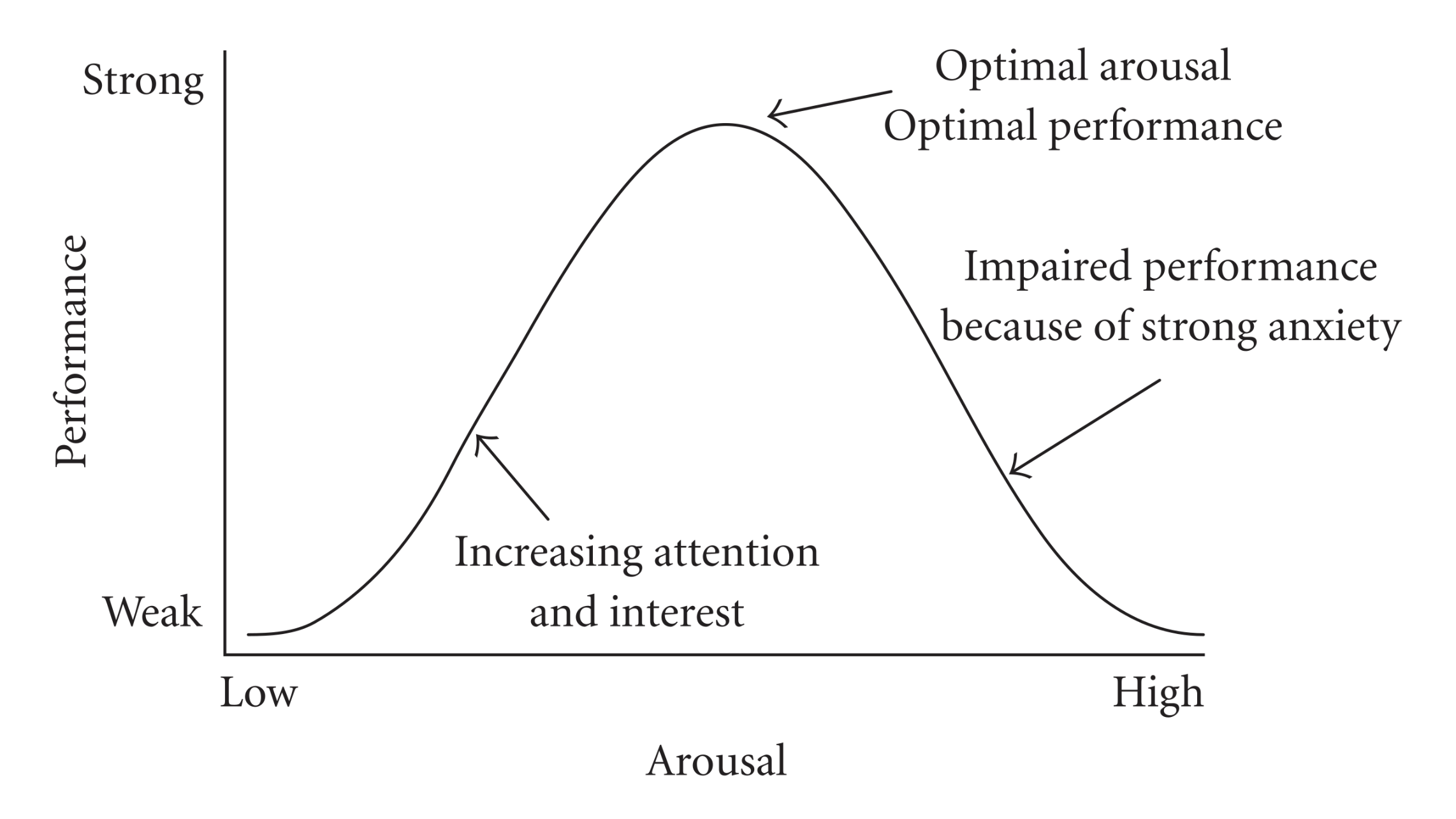
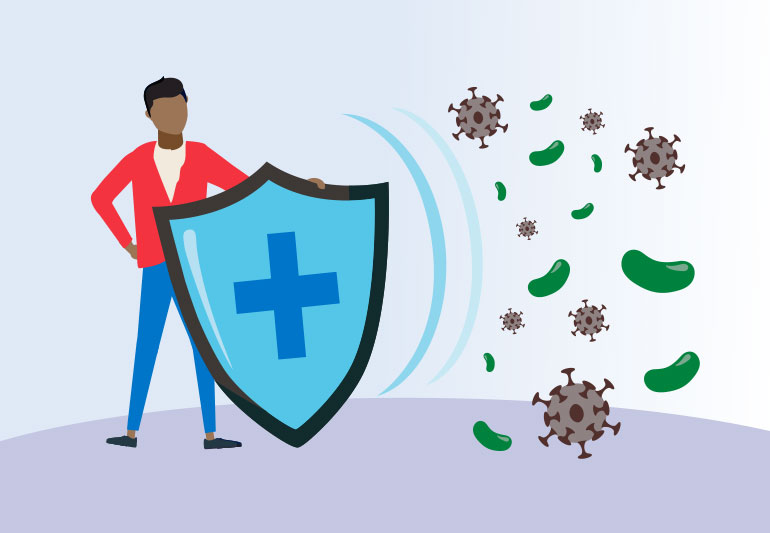
The conversation about mental health is becoming less and less siloed from other aspects of health. Mental illness has a strong physical component.   Both anxiety and depression can involve changes in appetite, sleep, and energy levels, as well as difficulty concentrating. Studies show that mental illness can even impact our immune systems and cause or exacerbate other physical conditions such as heart failure, high blood pressure, and cancer. 

As such, many people benefit from a holistic approach to healing that includes biological and lifestyle interventions, mindfulness practices, and regular exercise. Additionally, more and more the field of psychiatry is also turning towards interventional treatments like ketamine, and psychedelic research, to address the neural pathways within the brain in ways that traditionally prescribed medications do not.


Comprehensive treatment is often needed when depression, anxiety, and PTSD become severe or recurrent. When this happens, it’s particularly helpful to have a team that is highly trained in these specific disorders to deliver personalized treatment.

Improving Therapy & Mental Health Outcomes

The shortage of mental health care providers in the U.S. is a known problem, with a recent survey indicating that 60% of psychologists are unable to take on new clients. Many states, such as Texas,  are also short on psychiatric staff in hospitals and centers.


What is less talked about is what this means to mental health of providers, especially those treating patients with severe depression and anxiety. “The stakes are high. And among therapists, burnout is real,” shares Julie. “While it can be an issue for all therapists and providers, those focusing on more severe cases of depression and anxiety may be more likely to experience it.” 


Her remarks are well-backed up by recent studies. One report found that 50 percent of behavioral health providers reported feeling burnout out, and that a lack of training was a common source of stress. The consequences for those with severe mental health conditions can be devastating.  


“Undertreated mental health struggles can absolutely be lethal,” shares Julie, underscoring the importance of proper staff and adequate training. To address the issue, Julie says we should focus on education. “Providers dealing with more severe cases need access to continued education as well as personal support through supervisors, mentors, and peer groups.”


Other mental health professionals feel the same. When discussing the problem of mental health care in rural Texas, Dr. Steve Bain, founding director of the Institute for Rural Mental Health Initiatives, also highlighted the importance of training. 


“Knowing the patterns among diagnoses certainly helps a therapist connect the dots within their patient’s experience, but it’s also important not to jump to conclusions. This is where peer support, continued education, and mentorship relationships within the field can be incredibly helpful. We can’t practice in a vacuum. Making the effort to continue our own education and develop a network of peers and mentors who challenge our thinking improves the quality of care,” notes Julie.


“And like in any profession there may be a time when it is helpful to niche ourselves diving deeply into a few disorders to develop the level of quality and experience a patient with severe struggles needs. That can be challenging and it takes time. But I do know that therapists who are willing to go the distance in their education and experience to support severe mental illness can truly save lives.”

Hope For The Future of Mental Health Care

Despite the prevalence of depression, anxiety, and PTSD the diagnoses themselves can come with a strong degree of stigma. But as the conversation around mental health continues to make its way out of the shadows and into the mainstream, more people will feel ready to seek help.


Julie notes that things are moving in the right direction, “I’ve witnessed a huge shift in the conversation around mental health since I first started as a therapist. Big picture, the fact that more people are talking about mental health is promising. Insurance plans, and employers are also starting to take mental health more seriously which is absolutely needed.”


“But, we also have a shortage of mental health care providers nationwide. Caring for people who have severe or longstanding mental illness is a demanding job. Providers need training, support, and resources that allow them to their job effectively, and their patients need access to a dynamic tool kit for care for better outcomes. The future of Mental Health will require tearing down silos around treatment modalities, continuing to embrace technology for improved access and education, and for the medical system to take mental health as seriously as physical health. Change has started and I’m hopeful we’ll get there” Julie concludes. 

Take the first step

Want to find out if Heading is right for you? 

Complete our consultation form and an intake specialist will get in touch.

Schedule your consultation
Categories
anxiety Blog depression therapy wellness

Therapy Motivation: 10 Simple Ways to Stay Engaged and On-Track

Therapy Motivation: 10 Simple Ways to Stay Engaged and On-Track

January 20, 2023

Talk therapy is a powerful tool for making progress with your mental health. While it can be incredibly gratifying, finding the motivation to stick with it and apply your therapist’s tips and tools can be challenging. Mental health conditions like depression can sap your motivation, making it difficult to accomplish goals both in and outside therapy. On top of that, therapy often requires patients to confront difficult topics. In some cases, this means patients aren’t able to stick with therapy as well as they otherwise would be.


Here are 10 simple tips for boosting your motivation as you continue your wellness journey.

#1: Start Small

If your mental health plan is too demanding early on, you might have more trouble starting to apply all the advice you’ve been given. Instead of overwhelming yourself, start small. As you build your therapy muscles, you’ll be able to use the recommended strategies more consistently.

#2: Remember Your Goals

Because your mental health homework may not be intrinsically rewarding, it can be helpful to focus on the external benefits of the activities and specifically on why you set out to improve your mental health in the first place. Keeping these goals in mind can help you stay motivated and stick with your therapist’s recommended strategy.

#3: Normalize Feeling Stuck

Putting too much pressure on yourself to make progress and strictly adhere to treatment can be counterproductive. 


“Feeling disappointed in yourself whenever you less productive in therapy, miss an appointment or forget to apply a technique in everyday life can challenge your motivation to stay committed to therapy,” shares Andrea Marquez, LCSW, an Austin, Texas-based therapist here at Heading Health. “But, that’s a normal part of the process and of life. Rather being hard on yourself practice self-compassion instead. You’re more likely to get back on track when you practice self-forgiveness.”


Remember, even in moments when it feels like progress has stalled or you’ve gotten off track, you can begin again and it won’t be a square one. 

#4: Seek Support From Friends, Family, and Support Groups

You don’t have to tackle therapy all on your own. If you are comfortable talking to friends and family about your therapy journey, let them know you’re working on your mental health. Their loving support and helpful reminders can give you the energy you need to stick with therapy. Support groups for individuals in treatment can do the same.

#5: Set Time-Limited Goals

Therapy goals can seem unachievable when you feel like you should always be working on them. Instead, specify a limited amount of time you can dedicate to applying mental health help strategies daily. This will lower the mental hurdle you need to overcome to start your mental health workouts.

#6: Measure Your Progress

Going to therapy and sticking with your provider’s advice can be more challenging if you don’t have clear evidence of progress. Because progress often builds slowly and progressively, you might not notice it right away.   Mental health is not linear. Unlike healing a broken bone, therapy progress is not always straightforward. However, that doesn’t mean you should give up on measuring progress. Ask your therapist to provide regular evaluations to see how you’re doing. If you’re getting better, that’ll motivate you to keep going.


If you’re not, that’s a reason to change things up (see tips #8 and #9)

#7 Celebrate Your Wins

“Making progress, especially in therapy, is a big deal,” shares Julia Lopez, brand manager at Heading Health. “I remember the first time I told my husband about a therapy break though I had I was so nervous! He celebrated with me. So when you see yourself getting better, celebrate it – maybe its not with your partner but perhaps your best friend or another trusted person.” 


Do something fun with your friends, or reward yourself with a self-care day. You may even share your therapy breakthrough with someone you trust. 


This will help you recognize mental health progress as the achievement it really is and allow you to feel more positively about putting in the hard work. 

#8: Try a Different Form of Therapy

From cognitive-behavioral therapy (CBT) to psychoanalysis, therapists utilize various therapies to help guide their clients’ treatments. When you start therapy, your therapist will decide which strategies to use as primary tools in your mental wellness journey. However, no treatment works for everyone; sometimes, adjustments must be made. 


Let your provider know if you are having trouble sticking with treatment, and they can decide whether it would make sense to try a different type of therapy. Many therapists are skilled in many modalities, and draw from a range of theories to personalize their approach with clients. They will probably be really glad when you take this level of interest in your care and their approach. Therapy is intended to be collaborative. 

#9: Look for a Different Therapist

Even if you’re trying out the right therapy, it might not work as well if it’s not coming from the right therapist for you. Research has shown that patient-therapist fit matters, including when it comes to how well patients adhere to treatment. If you don’t connect with your therapist, you may be less likely to attend your appointments and listen to their advice. This can mean you need to find a new provider who you’re more likely to like and relate to.

#10: Ask if Medication Would Help

While therapy can be incredibly impactful on its own, studies have found that it often works best when combined with medication or other biological interventions, such as ketamine or transcranial magnetic stimulation (TMS). Among other things, these tools can boost your motivation, providing you with the extra energy you need to stick with therapy.

Take the first step

Want to find out if Heading is right for you? 

Complete our consultation form and an intake specialist will get in touch.


Schedule your consultation
Categories
anxiety BIPOC Mental health Blog depression LGBTQIA Mental Health men's mental health Provider therapy wellness

Yes, It Matters if You Like Your Therapist. Here’s Why

Yes, It Matters if You Like Your Therapist. Here's Why

January 17, 2023

When searching for the right therapist, you might focus on things like how much experience they have, what conditions they specialize in, and the types of therapy they are trained to provide. 


What you may be less likely to prioritize are features that might impact how much you’ll like or connect with them. In some sense, this is perfectly reasonable. Much like seeing a doctor for your physical health, it may seem that all that matters is that they know what treatment to give and how to deliver it. 


While this may be true when it comes to your physical health (though it’s questionable even then), there are reasons for thinking that therapy is different. Above and beyond being able to deliver the proper treatment, it matters that patients like, connect, and relate with their therapists. Often talked about in terms like ‘therapeutic rapport’ or ‘therapeutic alliance,’ studies have found the quality of patient-provider relationships to be a significant predictor of how well they respond to treatment. 


Explore why this matters, learn some common factors that impact whether patients and providers connect, and check out what you can do if you and your therapist aren’t vibing.

Why It’s Good if You Connect with Your Therapist

There are a variety of reasons why it’s good to relate to and connect with your therapist. Here are some of the most significant ones. 

#1 You’ll Be More Likely To Share Important Information

Therapy often requires patients to bring up and share personal details at the heart of their anxiety and depression. This is an understandably difficult process. Therapy requires a deep sense of trust and psychological safety. If you feel your therapist will understand where you’re coming from and won’t judge you for your experiences and reactions, you’ll have an easier time opening up and delving into what’s bothering you.

#2 You’ll Be More Open to Their Suggestions

While therapists are not typically ‘advice-givers’ they will offer insights and suggestions.  It’s natural to wonder if it will really work for you, and we’re more inclined to seriously consider the suggestions of people that we admire and respect. 


Not connecting with your therapist can undermine your sense that they understand how to address your problems or effectively personalize your treatments.

#3 You’ll Be More Likely to Stick with Treatment

While therapy can be rewarding, finding the motivation to stick with it can also be challenging. When you’re on the same page as your therapist, this becomes less of an obstacle. Studies have found that the stronger the therapeutic alliance, the more likely the patient is to adhere to the treatment. 


Additionally, if you aren’t taking your therapist’s advice because you don’t connect with them, you may not be seeing the results you were looking for, which can make you wonder whether therapy is right for you.

How to Find a Therapist You’ll Connect With

While the list of factors supporting a solid connection is endless, several common traits are particularly important to look out for. Here are a few.

Style

Remember why you are seeking therapy. It’s not always best to simply find someone that is exactly like you. However, there may be aspects of your life that you may be more comfortable opening up about if the person in front of you seems to have a level of personal understanding. Consider your willingness to be challenged, or your learning style. Do you want someone who is more directive and straight to the point? Or would you like someone who is conversational, and funny? Typically during an intake session you will be asked about your preferences for therapy and that would be a good time to bring up any aspects of therapy that might be important to you.


Cultural or Ethnic Background

A shared cultural or ethnic background can help for several reasons. For one thing, different groups are more likely to deal with specific stressors due to their lived experience with issues like racism and oppression. To best help patients develop effective coping mechanisms, it can be important for their therapists to have similar cultural or ethnic backgrounds.

Gender

Gender plays an important role in our experience of mental health and our mental health outcomes. For example, men are more likely to be diagnosed with substance abuse disorders. They are also less likely to seek treatment and more concerned with mental health stigma. A therapist of the same gender may be better equipped to address these and other gender-specific issues.

LGBTQ+ Allyship

Members of the LGBTQ+ community are disproportionately likely to experience mental health problems. According to The Trevor Project, 45 percent of LGBTQ+ youth considered suicide in 2022. Of those who did not receive mental health care, 43 percent said they did not see a therapist because they feared their concerns would not be taken seriously. Therapists with clear LGBTQ+allyship are desperately needed to help this community.

What Should I Do if I Don’t Like my Therapist?

Let’s say you find yourself in therapy, and despite all your research, you just don’t gel with your therapist. What should you do?


There are a few options.


Depending on where the disconnect is, you can discuss it with your therapist. Sometimes, you can try resolving disagreements. Speaking up and voicing your opinions may also allow your therapist to demonstrate empathy, compassion, and a willingness to adopt new strategies to better suit your needs. 


It’s not always possible to close the gap between you and your therapist with some quick conflict resolution. When this happens, it’s time to break up with your therapist. If you are going to end the relationship, it’s best not to ghost them. Instead, open up a conversation where you explain why you want to look for a different provider. Not only does this give the therapist the fix the issues, but it also helps them learn for future clients so that they may avoid whatever mistakes they made in your case. 


While this can seem scary, it’s really an easy process. Mental health professionals generally understand the importance of fit and won’t judge you for wanting to find the therapist that works best for you. “Remember, you are under no obligation to stick with a particular therapist,” shares Patricia Hernandez, LPC.  “Whatever your reasons for wanting to find a new one are, they are valid.”

Takeaway

There’s nothing unreasonable about wanting to like your therapist. In fact, feeling connected to your mental health provider may be one of the more vital ingredients in a successful mental wellness journey. From helping you feel comfortable discussing challenging and personal topics to strengthening your ability to stick with therapy, a close patient-provider connection can have a significant impact on treatment outcomes. 


When looking for a therapist, check for things that might impact how well you’ll connect. This may include a shared culture or ethnicity, gender, LGBTQ+ allyship, and more. If you find you don’t like your current therapist, that’s no problem. You may not get it right on the first try, but fortunately, switching is no big deal. 

Take the first step

Want to find out if Heading is right for you? 

Complete our consultation form and an intake specialist will get in touch.

Schedule your consultation
Categories
anxiety Blog depression therapy wellness women's mental health

Why Vulnerability Is So Important in Therapy

Why Vulnerability is the Superpower of Therapy

January 16, 2023

Vulnerability.


For many this word feels super-scary. But, more and more, the conversation has become about how it is actually a superpower.


Exploring feelings of vulnerability means exploring natural human emotions which can yield fertile ground for self-understanding, self-forgiveness, and personal growth. Therapy is designed to be a safe space for this exploration, but without practicing vulnerability it can be incredibly hard to open up.

Why Do We Avoid Vulnerability?

Vulnerability means being open to potential harm, both emotionally and physically. Avoiding harm is hardwired – avoid pain and ensure survival. But avoiding emotional pain is a trickier terrain as it involves social connection hitting at the core of being human. 

is not something to be ashamed of, but rather celebrated.  However, avoiding vulnerability becomes problematic when it manifests in ways that leave us feeling misunderstood, isolated, or unwilling to ask for help. 


Shame can be triggered by feelings of vulnerability and can be incredibly distressing. Feeling inadequate, embarrassed, or humiliated can become an internalized message of not being good enough. Going to therapy may make someone feel as those they have something wrong with them, or depending on their previous exposure (or lack of exposure) to therapy it may be seen as weakness. Often people feel as though they should be able to solve their own problems, and seeking help is a signal of inadequacy.  However, this is far from the truth. Vulnerability requires a tremendous amount of courage. 

Therapy Encourages Openness

Vulnerability and the ability to open up in therapy is vital for the experience to be as beneficial as possible. 


One of the beautiful things about therapy when it comes to overcoming fear of vulnerability is that it is a safe space for expression, but just because the space is intended to be safe it still may take some time before it feels that way.


Andrea Marquez LCSW who is based in Austin, TX and offers teletherapy to Texans statewide, points out, “We all wish we could snap our fingers and magically feel comfortable in any environment, but the truth is that even in therapy – which is a space specifically designed for vulnerability – it takes time to feel safe.”


Vulnerability is a vital aspect of the therapy process. It allows individuals to be open and honest with themselves and their therapist. As a result, they are able to gain a deeper understanding of their thoughts, feelings, and behaviors. This self-awareness is a crucial step in the healing process and can help individuals to identify patterns and triggers that contribute to feelings of shame.


Furthermore, when we are open about our vulnerability, we give others permission to do the same, thus promoting connection and a sense of belonging. This is essential for shame resilience as shame thrives in secrecy and isolation. By sharing our story, we open up the possibility of being seen, understood, and receiving empathy. All of which are fundamental elements in healing from shame.


It’s important to note that vulnerability is a two-way street. It requires trust, empathy, and authenticity on the therapist’s part too. A therapist can show vulnerability by sharing their own experiences, acknowledging uncertainty and limitations, and being open to feedback. In fact, better relationships between therapist and clients ultimately produce better outcomes.


Vulnerability is an integral part of the healing process and an essential component in overcoming shame and seeking therapy. It allows individuals to be open, honest and courageous about their struggles, which can lead to deeper understanding, compassion and connection to self and others. Thus, promoting healing, resilience, and growth.

How Vulnerability Improves Your Life

In contemporary conversation of vulnerability it would be hard not to discuss the work of Brene Brown. Through extensive research on shame and vulnerability she synthesized key attributes of these human experiences and how they impact our life. In her book Daring Greatly, she defines vulnerability in the social-emotional sense as “uncertainty, risk, and emotional exposure.”


What has emerged from her research are the powerful yet opposing takeaways about vulnerability that became the cornerstone of her famous TED talk.


1. Vulnerability is at the core of shame, fear, and the struggle for worthiness.


2. Vulnerability is also birthplace of joy, creativity, and belonging.


When we allow ourselves to be vulnerable we also are allowing ourselves to be better communicators, and seem more human and approachable to those around us.


“No one trusts perfect, and that’s a good instinct,” comments Brown.  


Perfect, after all, doesn’t exist. Instead vulnerability allows us to be human, and to be people who need other people for support. As social creatures the connection of service and being served creates bonds, and those bonds not only strengthen our safety and survival, but improve the quality of our lives. 

5 Steps to Embrace Vulnerability in Therapy

  1. Start small: One of the most powerful ways to practice vulnerability is to open up and share your thoughts and feelings with someone you trust. This can be a friend, family member, or therapist. It can be scary to be vulnerable, but it can also be incredibly healing and liberating. You can begin with something small as you build your courage towards larger shares.
  2. Keep a journal: Writing down your thoughts and feelings can be a great way to practice vulnerability in a safe and controlled setting. It can also help you to gain a deeper understanding of your thoughts and emotions, which can be valuable in identifying patterns and triggers.
  3. Honor your intuition: Being vulnerable doesn’t have to mean sharing your deepest secrets with every person you meet. Taking time to get to know someone, and trusting your intuition, is an important element of being vulnerable. You want to feel safe to share, and that likely won’t mean sharing with everyone. Remember that you’re allow to exercise discernment about with who, when, and where you choose to open up.
  4. Challenge yourself: Challenge yourself to do something that makes you feel vulnerable. This could be something as simple as trying a new activity, or something more significant, like public speaking. The more you challenge yourself to step outside of your comfort zone, the more comfortable you’ll become with vulnerability.
  5. Practice mindfulness: Mindfulness is a practice that can help you to be more present and aware of your thoughts and feelings. By becoming more mindful, you may be more able to notice and acknowledge your vulnerability when it arises, rather than pushing it away or avoiding it.
Take the first step

Want to find out if Heading is right for you? 

Complete our consultation form and an intake specialist will get in touch.


Schedule your consultation
Categories
anxiety Blog depression therapy wellness

Ketamine and Depression: Science 101

How & Why Ketamine is a Breakthrough Treatment

Long standing stress from stress and anxiety takes a toll on brain function and connections. Ketamine can help restore those connections in a different way than traditional SSRIs.

Ketamine for Treating Depression and PTSD: Science 101

Depression and stress disorders are common. In this article, we will look at the research on using ketamine to treat depression and PTSD, including how it works, how well it works, and any potential side effects.


These mental health conditions can make it hard for people to enjoy their lives, and cope with stress. There are many different ways to treat depression and PTSD, including therapy, medication, and lifestyle changes. But, for some, depression and anxiety become chronic, long-standing, and resistant to traditional treatment.


Ketamine has become a promising treatment option for these conditions. Ketamine is a medication that was first used as an anaesthetic, and is now known widely for its use in alleviating the symptoms of hard to treat depression and stress disorders.  When standard treatments like therapy-only, SSRIs-only, or a combination of therapy and SSRIS do not work, other psychiatric interventions, like Ketamine treatment, offer new hope.  


What is ketamine?


For many ketamine is a familiar word, but not always for it’s medicinal use. While ketamine has reputation for being a club drug, and like other medications, has been abused in uncontrolled settings, for medical purposes and with the correct dosage and administration it is a safe and highly effective treatment. Ketamine has been used for decades as an anaesthetic. In human medicine Ketamine has historically been used as a means of sedation and for pain management. In fact Ketamine is on the WHO’s list of essential medications for pain management and anesthesia.  


While in an active phase of treatment, Ketamine makes people feel detached or dissociated from their surroundings and themselves.  However, the impact of ketamine on the brain is now believed to last after the immediate effects have worn off, and the benefits in a psychiatric setting can build overtime and with continued treatment.


How does ketamine work for depression and PTSD?

As is the case with many medications research is always deepening the understanding scientists and doctors have on the how & why psychological change occurs with Ketamine treatment.  What is known is that  ketamine does help with depression and PTSD especially when other treatments have failed to bring about lasting relie, and the way it works in the brain is different than how traditionally prescribed SSRIs work.


Ketamine targets the glutamate system in the brain, which plays an important role in healthy brain functioning. Glutamate is a highly abundant neurotransmitter, responsible for facilitating signals between nerve cells. Through the target of the glutamate system scientists theorize that Ketamine works by blocking a protein called the NMDA receptor in nerve cells and activating another protein called the AMPA receptor, which helps with forming and saving memories. This interaction between the NMDA and AMPA receptors may lead to the quick and sustained improvement in mood and behavior seen with ketamine treatment. Ketamine may also increase the production of BDNF, a protein that helps nerve cells grow and survive, and change the activity of neurotransmitters like serotonin, norepinephrine, and dopamine, which are involved in mood regulation.


Interestingly, the pain relief and mood improvement can last even after the drug has left the body. This might be because ketamine changes how the brain’s cells talk to each other, which can help the brain form new connections that last longer than the drug’s effects. Often this concept of being able to change and create new connections is called neuroplasticity. 


Evidence for using ketamine for depression and PTSD


There is a lot of evidence showing that ketamine can be used to treat depression and PTSD. Many studies have shown that ketamine can quickly and effectively reduce symptoms of depression and PTSD.


One study published in the American Journal of Psychiatry found that a single IV infusion of ketamine improved mood and suicidal thoughts in patients with treatment-resistant depression. Another study published in the Journal of Clinical Psychiatry found that a series of six IV ketamine infusions reduced symptoms of PTSD in military veterans.


Several studies that look at many studies together, called meta-analyses, have also shown that ketamine is a safe and effective treatment for depression and PTSD. A meta-analysis published in the Journal of Affective Disorders found that ketamine was more effective than a dummy treatment at reducing symptoms of depression, with a large effect size and a quick onset of action. A systematic review published in the Journal of Clinical Psychiatry similarly found that ketamine was effective at reducing symptoms of PTSD, with a moderate to large effect size.


What are the potential side effects of ketamine?


Like any medication, ketamine can cause side effects. The most common side effects of ketamine are dizziness, drowsiness, nausea, and vomiting.  Ketamine will also impair your ability to drive or operate machinery which is why Heading requires patients have transportation to and from treatment. Other potential side effects include hallucinations, changes in blood pressure, and respiratory problems, which is why Heading recommends treatment be in-person and under the direct supervision of medical professionals. It is important to talk to a healthcare provider about the risks and benefits of ketamine treatment before starting treatment.

More research

There are a number of studies that discuss the use of ketamine for the treatment of depression.  Here are a few examples of scientific resources that may be of interest.


Zarate, C. A., Jr., Singh, J. B., Carlson, P. J., Brutsche, N. E., Ameli, R., Luckenbaugh, D. A., … Charney, D. S. (2006). A randomized trial of an N-methyl-D-aspartate antagonist in treatment-resistant major depression. Archives of General Psychiatry, 63(8), 856–864. https://doi.org/10.1001/archpsyc.63.8.856

  • This study found that a single intravenous (IV) infusion of ketamine was associated with a rapid and significant improvement in mood and suicidal thoughts in patients with treatment-resistant depression.

Feder, A., Parides, M. K., Murrough, J. W., Perez, A. M., Morgan, J. E., Saxena, S., … Charney, D. S. (2014). Efficacy of intravenous ketamine for treatment of chronic posttraumatic stress disorder: A randomized clinical trial. JAMA Psychiatry, 71(6), 681–688. https://doi.org/10.1001/jamapsychiatry.2014.30

  • This study found that a series of six IV ketamine infusions was associated with a significant reduction in symptoms of PTSD in military veterans.

Caddy, C., Giaroli, G., White, T. P., & Tracy, D. K. (2019). Ketamine as a treatment for depression: A systematic review and meta-analysis. Journal of Affective Disorders, 245, 959–973. https://doi.org/10.1016/j.jad.2019.03.053

  • This meta-analysis concluded that ketamine is a safe and effective treatment for depression, with a large effect size and a rapid onset of action.

Bremner, J. D., Vythilingam, M., Vermetten, E., Adil, J., Khan, S., Nazeer, A., … Krystal, J. H. (2008). Pilot study of repeat-dose intravenous ketamine in treatment-resistant posttraumatic stress disorder. Biological Psychiatry, 63(3), 339–341. https://doi.org/10.1016/j.biopsych.2007.05.028

  • This study found that a series of IV ketamine infusions was associated with a significant reduction in symptoms of PTSD in a small group of patients
Take the first step

Want to find out if Heading is right for you? 

Complete our consultation form and an intake specialist will get in touch.


Schedule your consultation
Categories
anxiety Blog depression therapy wellness

The Irreplaceable Benefits of In-Center Ketamine Treatments

Is it Better to Receive Ketamine in a Center or at Home?

January 9, 2023

Unlike with most antidepressants, patients considering ketamine have to consider different methods of receiving the medication as well as the location for treatment: at home or in a clinic under the supervision of a medical professional. 


While at-home treatments have the advantage of convenience and accessibility, there are aspects of the in-clinic process that cannot be duplicated at home. Some experts even argue an in-clinic treatment is essential for safety and efficacy.  From the added sense of security to access to a well-oiled integrated care team, every part of the in-clinic experience is thoughtfully designed to optimize therapeutic outcomes.


By exploring the benefits of in-clinic treatments below, you’ll be well-suited to make an educated decision on which option is right for you.

Access to Different Ways of Taking Ketamine

Ketamine is available in several forms or routes of administration, including oral tablets, nasal sprays, and IV infusions. While oral tablets are commonly prescribed for at-home use, others must be administered at a clinic. At Heading, we offer Spravato® (intranasal esketamine) and intramuscular (IM) ketamine. In both instances, you need a medical provider’s support and supervision.


“Each method of receiving ketamine treatment has its benefits and drawbacks, many of which are unique to individual patients,” shares Dr. Tyson Lippe, an Austin-Texas-based psychiatrist here at Heading Health. “However, patients taking Spravato®, which is FDA-approved to treat treatment-resistant depression, will need to come into the clinic – it’s a requirement.” 


Dr. Arif Noorbaksh highlights that cost is a key reason in favor of having access to all the ketamine forms and routes of administration.

Spravato®, which is delivered intranasally, is FDA-approved to treat treatment-resistant depression. And for the vast majority of these patients that we see at Heading, this also means that insurance will play a part in covering the expense. 


While our team at Heading has worked hard to ensure we can also provide coverage for IM ketamine, we are unique in this respect. At other clinics, Spravato® may be a patient’s best bet for getting their treatment covered.

Optimal Set and Setting for Mental Health Improvement

With any intervention that has the potential to produce psychoactive effects, the set and setting (i.e., the patient’s mindset and treatment environment) are vital. Most immediately, how you feel going into the treatment can impact how you feel during it. If you go in confident and calm, you’ll be more likely to have a pleasant experience.


Aside from being valuable in its own right, positive ketamine experiences can result in other good outcomes. For example, studies have found that pleasant ketamine experiences are associated with better treatment outcomes, while scary ones can undermine ketamine’s antidepressant effects. Knowing that a care team is steps away can help ease nerves about treatment, and may put patients at ease knowing help is available should they experience any adverse side effects.


While everyone has their own unique preferences regarding set and setting, an environment that supports feelings of safety and security is essential. Ketamine treatment centers are well-equipped to provide this. 


With physicians and therapists on-site, patients can feel confident that a competent professional is there to help. As Dr. Noorbaskh shares:

Patients receiving ketamine in a clinic or medical center receive an entire team of people who are supporting the best possible outcomes. Safety is, of course, paramount. Patients also take comfort in knowing that they have a medical team who can immediately make them more comfortable and answer any questions or concerns they may have in real-time. And these are also the same people you will see time and time again. Developing therapeutic relationships requires trust, and building trust over time with your care team enhances the experience. 


Being in the hands of a team of professionals isn’t the only way clinics can support a positive mindset. Clinics often take great care to design the treatment rooms so they are conducive to feelings of calmness and relaxation. For example, they may include soft ambient and natural lighting, cozy chairs, fresh greenery, and ample space to help you settle in and focus on your journey.

Improved Patient-Provider Relationship

At-home ketamine therapies are sometimes paired with telehealth tools to help guide patients through their treatments. However, while telehealth increases access and flexibility, there are situations where in-person treatments offer irreplaceable benefits, especially for individuals experiencing loneliness and isolation. 


As Dr. Tyson Lippe shares:

I see patients through telehealth, and I also see patients in person. Telehealth certainly increases accessibility, which is incredibly valuable. That said, loneliness and isolation are significant mental health concerns. Anytime we are able to connect directly with people who truly care about our health and well-being, there is a benefit. Offering care in a more hybrid fashion with telepsychiatry and in-clinic treatment administration opens up accessibility while also maintaining great care.

Behavioral Activation

Aside from helping patients combat loneliness and isolation, in-person treatment centers can lead to better outcomes simply by providing patients with a regularly scheduled outing and a chance to interact with friendly staff. In fact, in one evidence-backed form of psychotherapy called behavioral activation, practitioners help patients engage in pleasurable activities that get them moving and socializing to alleviate symptoms of their depression. 


By offering patients a reason to go out, enjoy the company of physicians they’ve grown close to, and undergo a relaxing treatment on a consistent basis, ketamine clinics are able to supplement the therapeutic effects of ketamine itself with the benefits of behavioral activation. 

Comprehensive, Integrated Care

Ketamine often works best when combined with other interventions. For example, Janssen Pharmaceuticals, the maker of Spravato®, recommends combining the treatment with an oral antidepressant. Similarly, researchers have found that psychotherapy can extend the therapeutic effects of ketamine. 


Dr. Noorbaksh highlights how, for a holistic approach to work seamlessly, providers from different disciplines and areas of expertise must develop close working relationships that facilitate the delivery of comprehensive, integrated care:

An important aspect of medicine is developing relationships with other healthcare professionals. At Heading, our approach is hybrid with telehealth for psychiatry and therapy services and in-person visits for interventional treatments like TMS and ketamine. When it comes to combining services, I don’t have to go far to help my patients find great therapists. I’m able to directly communicate with my patients’ therapists, nurses, and care coordinators. Direct communication means there’s less time that my patients and I are waiting for treatment notes to be reviewed or changes in care to take place.

Accountability

Though ketamine can alleviate symptoms far more rapidly and with less frequent maintenance than other interventions, repeated visits are often necessary to sustain the full benefits of the treatment. However, the mental health conditions that ketamine can be used to treat can make it more difficult for patients to stay on schedule.


When asked how in-person treatment centers are well-equipped to address this issue, Dr. Noorbaksh emphasized the value of the interpersonal connections and support patients receive from their care team:

The human interaction and support patients receive from the clinical team during treatment are tremendously valuable. Psychiatric care nurses, medical assistants, and the psychiatrist providing care all get to know their patients and facilitate touch points that simply can’t be replicated in the same way remotely.


In other words, providers at in-person treatment centers can draw on their close connections with and deep understanding of their patients to help mitigate any motivational barriers to receiving treatment. 


Aside from interpersonal connections, clinics are well-equipped to take over the logistical obstacles that might otherwise make scheduling and receiving treatment overwhelming for individuals suffering from anxiety and depression. Dr. Lippe shares that:

Mental health conditions like anxiety and depression can make it hard to keep engaging in activities that are beneficial to health and well-being. But having a clinical team that schedules appointments, offers reminders, and conducts follow-up visits helps keep patients on track. This is vital as we know that staying on track with treatment and in therapy can lead to faster and more durable outcomes. 

Finding the Best Option for You

Ketamine is a powerful psychiatric intervention that can alleviate symptoms of the most severe cases of depression. Specialized clinics designed to optimize each part of the treatment process are likely the best place to undergo ketamine therapy and maximize its therapeutic potential. Some of the most important benefits treatment centers are better suited to provide include:

  • The ability to choose the most effective and affordable type of ketamine and route of administration
  • A tailored environment carefully crafted to support feelings of confidence, safety, and security
  • Close patient-provider relationships that use the power of social connection to build on ketamine’s effects
  • Behavioral activation through consistent appointments, which provide individuals with depression with a regularly scheduled relaxing outing and the opportunity to socialize
  • Comprehensive, integrated care supported by efficient communication among healthcare professionals
  • Added accountability due to interpersonal connections with staff and a competent team ready to take care of all the logistics of planning appointments.
Take the first step

Want to find out if Heading is right for you? 

Complete our consultation form and an intake specialist will get in touch.


Schedule your consultation
Categories
anxiety Blog depression therapy wellness

Mental Health Care Lags in Rural Texas. Can Teletherapy Help Now?

Mental Health Care Lags in Rural Texas. Can Teletherapy Help Now?

January 6, 2023

According to Mental Health Texas, more than three million adults in Texas have a mental health condition. For those in rural areas, adequate mental health care is hard to come by. For example, there isn’t a single hospital in 28 percent of the state’s counties. Even when those in need can make the trek crisis center, hospitals often lack the resources to treat them. 


This overall lack of access can have serious consequences as Texans wait to receive or completely forgo treatment. When it comes to mental health care, time is of the essence. Delayed treatment is associated with a wide range of adverse outcomes, from a lower likelihood of remission to cognitive impairments to an increased risk of suicide.

Advocates Propose Solutions to Lawmakers

Mental health advocates have been discussing potential solutions with Texas lawmakers. One of the more glaring issues with the mental health system for rural Texans is the lack of crisis centers. “As I’ve traveled around the state, I have seen the need,” shares Lt. Gov. Dan Patrick. “We don’t have a mental health facility in the Panhandle, so I’m proposing we build one there. This is something we have to do for our communities.” Lt. Patrick is also asking for more hospital beds in several locations, including 300 more in Wichita Falls and Terrell and 140 more in the Rio Grande Valley.


“While some hospitals need more beds, others have more than they can fill.” Lt. Patrick suggests this is mainly due to nursing staff shortages. 


“There simply aren’t enough mental health professionals to care for a full house of patients.” He says,  “That’s why, in addition to more beds, advocates are calling for tuition assistance to get more students into nursing school and pay raises to incentivize them to take the jobs that are out there.” 


Getting more students into nursing programs is a big step in the right direction. Still, according to Dr. Steve Bain, founding director of the Institute for Rural Mental Health Initiatives, we also need to focus on the nursing curriculum. For example, he suggests that there should be more opportunities for nursing students to finish their fieldwork in rural communities.


“We’ve got to be constantly connected with these communities,” shares Dan. “It’s going to take research and research funding. And it’s going to take putting our graduate students who need their practicum and internships into these rural communities.”

The Role of Teletherapy

New buildings, beds, and updated nursing programs are a critical part of a comprehensive mental health care system in rural Texas, but what can you do if you need help now?

Over the past few years, as safety precautions made many in-person services infeasible, we saw a dramatic and sustained rise in the use of telehealth services, including teletherapy and telepsychiatry. According to a Zocdoc report, 87 percent of mental health visits were virtual in May 2022.


Virtual mental health services have remained popular for reasons which suggest they can help improve mental health care in rural Texas. Telemental health makes mental health care more accessible. But it does in many different ways that remove the obstacles to care for those in need outside of the urban areas of Texas.

Eliminates the Need to Travel Far

Given that in rural Texas, mental health centers are few and far between, distance and travel times are likely significant factors preventing many from seeking care. With teletherapy, there’s no need to travel anywhere.

Patients Don’t Have to Take Time Off

As travel time increases, so does the amount of time one needs to take off work for an appointment. According to the report, 56 percent enjoyed not having to take time off work or responsibilities to travel to appointments. 

More Affordable

Not having to take time, or as much time, away from work to attend appointments is not only convenient it is also addressing cost concerns of hourly and shift workers. 1 in 4 Americans already cite cost concerns as a significant reason for avoiding medical appointments. Missing work for an appointment compounds the financial strain.


Telehealth options make it easier for appointments to occur outside of standard work hours which is a more convincing proposition for those who don’t work a traditional 9 to 5.


Without the need to pay for transportation or take time off, it’s not surprising that telemental health is easier on the wallet.

Provides Patients with a Better Selection of Mental Health Professionals

Because you can pick providers from a larger area, you typically have a much bigger selection of professionals when booking a virtual appointment. This makes it easier to find the right therapist. For example, it can help find a provider who works with your insurance, specializes in your mental health needs, matches up with your cultural background, speaks your language, or simply vibes with you in a way that enhances your therapy journey. 

Gets Rid of Physical Barriers

Teletherapy allows those who otherwise could not make it to an in-person appointment due to physical disabilities. For example, mental health professionals working out of their own homes may not set up the proper accommodations to make their practice equally accessible for individuals of all abilities. With some estimates suggesting that nearly one in five farmers has a disability that interferes with their ability to perform their job, this barrier may be causing many Texans to avoid receiving care. 

Reduces the Problem of Stigma

Though the public perception of mental health has improved significantly, there is still a considerable amount of stigma associated with having a mental health condition and seeing a therapist. This can be a bigger obstacle in rural areas. 


“Stigma, cultural norms, the power of the grapevine in rural communities where folks don’t want other people to know when they’re accessing services…all these factors contribute to a large portion of rural residents not getting help when they need it,” shares Dr. Carly McCord, director of Telebehavioral Health and clinical assistant professor at Texas A&M University College of Medicine


Virtual mental health care makes this less of an obstacle, as patients don’t have to go out in public or risk being identified. Telemental health offers them greater privacy and shields them from some of the effects of stigma.

Can Teletherapy Help With Crisis Situations?

Many of the updates that mental have advocates are lobbying for are designed to help those in crisis situations. While teletherapy can help increase access to mental health care in general, one may wonder whether it can do much to help those in the middle of a mental health crisis.


One straightforward way teletherapy may help is by preventing the circumstances that require a mental health facility from arising in the first place. Access to regular visits with a mental health professional makes it less likely that one’s mental health condition or circumstances worsen to the extent that crisis intervention is necessary. Since teletherapy allows more patients to see therapists and may increase the odds that they continue to see their provider regularly, it can serve as a preventative measure.


With that said, many crisis-specific interventions aren’t available through teletherapy, meaning mental health centers with in-person treatments will remain a crucial component of Texas’s comprehensive rural mental health system. 

Takeaway

For many Texans in rural areas, there are limited mental health resources. From distant crisis centers to understaffed hospitals, finding care when you need it can be challenging, if not impossible. 


Mental health advocates aim to change this. They have proposed a variety several changes to lawmakers, including:


  • Adding more mental health facilities
  • Increasing the number of beds
  • Covering nursing tuition and offering pay raises
  • Updating nursing programs to include more practicums in rural areas


Telehealth is also an essential part of the solution to creating a comprehensive mental health system for rural texas. Its popularity has risen significantly over the past few years for good reasons. Specifically, teletherapy can help Texans in rural areas with unmet mental health needs access adequate care because it:


  • Eliminates the need to travel
  • Helps patients get care without taking time off
  • Makes care more affordable
  • Provides a larger selection of mental health professionals
  • Gets rid of physical barriers
  • Reduces the problem of mental health stigma
Take the first step

Want to find out if Heading is right for you? 

Complete our consultation form and an intake specialist will get in touch.


Schedule your consultation
Categories
anxiety Blog depression therapy wellness

Stress Can Be Good for You: Here’s How

Stress Can Be Good for You. Here's How

December 30, 2022

Stress is generally seen as an undesirable state to be avoided whenever possible. It feels bad, can interfere with attention and productivity, and, when experienced chronically, may harm the body and lead to mental illnesses, including depression and generalized anxiety. 


Despite stress’s bad reputation, its effects aren’t universally harmful, and there may be some downsides to a completely stress-free life. Learning when stress is good and why can help you identify when it might be working in your favor and when to get rid of it.

What Is Stress?

Before it’s possible to see how and why stress can be good, it’s important to understand what stress is. 


Generally, when discussing mental health, we are referring to what’s called psychological stress, which is an ordinarily unpleasant feeling of arousal or tension you experience in response to a negative or challenging circumstance. For example, you may feel stressed about your looming work deadline or financial pressures. 


Sometimes, when experts discuss the effects of stress, they are talking about physiological or biological stress, which refers to the physical changes that occur in the body in response to actual or perceived danger, such as an increased heart rate, dilated pupils, or the release of stress hormones. 


‘Stress’ can also refer to circumstances or situations that cause or warrant stress. For example, we may say of someone, “They are dealing with a lot of stress right now,” when we mean they are in a stressful situation. Here, ‘stress’ is more synonymous with ‘pressure.’


Experts aren’t always clear about which type of stress they are referring to, though they often have psychological stress in mind. 

What is Stress Good for?

There is a reason our bodies evolved a stress response, and it’s not because feeling stressed is always bad for us. When experienced in moderate amounts for short periods. 

Stress Serves as a Wellness Threat Detector

Perhaps one of the most obvious benefits of stress is that it can direct our attention toward and make us care about threats to our well-being. If your ancestors didn’t feel stressed when encountering a dangerous animal in the wild, they might not have known or felt compelled to avoid or attack it.

While the nature of the threats may have changed, our danger detection system lives alive and well in our feelings of psychological stress. They remain an important signal from our bodies that a situation or something about it might be bad for us.

Stress Can Improve Performance

Having no stress at all isn’t always a good thing when it comes to skills and tasks. According to the Yerkes-Dodson Law, optimal performance occurs between no pressure and high pressure in a goldilocks zone, where attention, motivation, and alertness are increased. For example, while a next-day deadline might result in crippling anxiety that prevents you from making progress, no deadline at all might mean you never complete the project. Stress Can Enhance Your Memory

In some instances, our brains appear to respond to stressful experiences by growing or reorganizing in a phenomenon known as neuroplasticity to better respond to similar situations in the future.


Memory is a good example of this. Animal studies show the brains of mice that underwent a stress test grew new neurons and performed better on learning and memory tests. Dr. Daniele Kaufer, an associate professor at UC Berkeley who studies the biology of stress, shares:


“[This] makes sense from an adaptive point of view.[…] If an animal encounters a predator and manages to escape, it’s important to remember where and when that encounter happened to avoid it in the future. If you’re walking down an alley and somebody threatens you, it’s important to remember exactly where you were in order to avoid that alley in the future.” 

Stress Can Build Your Stress-Resilience Muscles

Stress is often a challenging, unpleasant experience. While we’d all like to avoid it as much as possible, the reality is that no life is stress-free. So how do we learn to manage it better?


As with any skill, practice is essential. In the case of stress, repeated exposure to a particular stressor can reduce how stressed it makes you feel over time. This response pattern forms the basis of one of the most commonly utilized psychological therapies, called exposure therapy, which encourages individuals to confront a fear or obsession until it becomes more tolerable. 


“Stressful experiences can help you learn how to better cope with stress in the future,” shares Andrea Marquez LCSW, an Austin-Texas-based therapist here at Heading Heading. “They can show you what you’re capable of managing on your own so that the next time you encounter the same stressor, you’re better able to respond to it calmly and effectively.”

Stress Can Strengthen Your Immune System

Perhaps more surprising than the beneficial effects of stress on the mind are its healing effects on the body. While we can get an intuitive sense of how stress might help us prepare for danger or feel extra motivated to complete tasks, it’s a little harder to see how it might benefit us at a biological level.


Despite this, researchers argue that stress can be good for the body. For example, experiments have revealed that acute, short-term stress can improve immune responses to vaccinations, woundings, and infections. 

How Do I Know When Stress is Good or Bad?

While stress can improve memory, attention, immune function, stress tolerance, and more, it can do just the opposite. Whether or not a particular stressful feeling or circumstance is beneficial will ultimately depend on several individual factors, meaning there’s no one-size-fits-all test for separating the good stress from the bad. However, there are a few good rules of thumb. 

It Didn’t Last For A While

The benefits of stress are limited to brief exposures to it. If the stress you are feeling is sustained, it may be doing more harm than good. 

It Stops When the Stressor is Gone

Stress that sticks around after the danger or threat is gone is typically bad news.

It Feels Good

While stress usually feels bad, it isn’t always an unpleasant experience. For example, the stress of a workout may feel pleasurable. So, if the pressure you are experiencing feels good, that’s a sign that it might be good for your mind and body. 

You Feel Competent, Capable, and In Control

Stress tends to be less pronounced, shorter, and more beneficial when we have positive beliefs about our ability to problem solve in general or for the specific situation that is causing us stress.

You Feel Motivated But Not Overwhelmed

As we learned from the Yerkes-Dodson Law, some stress is necessary for optimal performance. But how much is suitable for any person depends on various factors from skill level to personality to confidence. So how much is enough for you? 


“A good rule of thumb is that you feel motivated but not overwhelmed,” shares Patricia Hernandez LCSW. “That way, you’ll have the energy to complete your tasks without the harmful effects of rumination and anxiety.”  

You Have a Strong Social Support Network

Social support can help ensure stress has a positive impact in various ways. For one thing, a solid social group can help you feel in control of your circumstances and better able to handle whatever stressors come your way. On top of that, social interactions can cause the release of oxytocin, which research suggests protects against the adverse effects of stress. 

You’re in a Stressful Situation

Feelings and emotions can be warranted or appropriate. For example, it “makes sense” to feel happy when something is good for you. We can evaluate stress in the same way. If you are stressed about genuinely stressful situations, then it’s more likely to be of the helpful variety. However, if your stress seems out of line with your circumstances, it’s probably not doing you any favors. 

Takeaway

While stress is often an uncomfortable, harmful feeling, we experience it for a reason. As a result, it’s no surprise that there’s a positive side to stress. For example, it can:


  • Alert you to threats to your well-being
  • Improve your alertness, motivation, and overall performance
  • Enhance your memory
  • Increase your stress resilience
  • Improve your immune function


The problem with stress is that it can hurt the same things it helps, raising the question, how do you know when stress is good? Stress is more likely to be beneficial when:


  • It doesn’t last for long
  • It goes away when the stressor is gone
  • It feels good
  • You feel competent and capable
  • You feel motivated but not overwhelmed
  • You have a solid social support system
  • You’re in a genuinely stressful situation
Take the first step

Want to find out if Heading is right for you? 

Complete our consultation form and an intake specialist will get in touch.


Schedule your consultation