
From Survival to Purpose: How Heading Helped Me Reclaim My Life
by LT Vale
Divorce dismantled the life I had spent years building.
I had envisioned raising my children on our property, creating traditions, building a legacy, and eventually retiring from a career devoted to military and government service.
When the marriage collapsed, that entire future seemed to disappear with it.
It wasn’t only the relationship; I was grieving my family structure, my financial security, my identity as a husband and father, and the future I believed I had secured for my children.
And at the same time, I was trying to survive an exhausting court battle. Every attorney conversation, financial demand, custody dispute, and unexpected message felt like another threat. Divorce required me to make rational decisions while my emotional world was on fire.
As a veteran living with PTSD, my nervous system was already trained to remain alert for danger. The conflict and uncertainty of divorce intensified that response. My body began treating nearly everything as a threat.
A notification on my phone could change my entire mood. A hostile message could consume hours of my day. A disagreement involving my children could send my thoughts racing toward every possible worst-case scenario. I struggled with disrupted sleep, anger, anxiety, depression, and the constant feeling that I needed to defend myself.
I was functioning, but I was not at peace.
Strength Was No Longer Enough
I had always survived difficult situations through discipline. I served in the military, built a demanding career, raised four children learned to keep moving even when I was exhausted.
But this was different.
I could force myself to go to work. I could train my body, complete the paperwork, attend meetings, and handle the responsibilities in front of me. What I could not do through willpower alone was quiet the battle taking place inside my mind.
There were days when I felt strong and focused. On other days, the smallest trigger could pull me into anger, fear, guilt, or hopelessness. Depression made ordinary responsibilities feel heavy. PTSD made it difficult to separate what was happening in the present from the accumulated pain of everything I had already experienced.
Eventually, I understood that asking for professional help was not surrender. It was another form of taking responsibility.
That realization led me to Heading Health.
Creating Space Between Trigger and Response
Through Heading Health’s services, I began addressing what was happening beneath my reactions. The goal was not to erase my memories or pretend that the divorce was no longer painful. It was to stop allowing every painful event to control my nervous system, my thoughts, and the rest of my day.
My experience with treatment helped me create something I desperately needed: space.
Space between receiving a difficult message and responding to it.
Space between feeling anger and acting from anger.
Space between experiencing fear and assuming the worst.
Space between the pain of the divorce and the man I still wanted to become.
That space changed my daily life. I became more capable of recognizing a trigger without automatically surrendering to it. Instead of allowing one interaction to consume the entire day, I could pause, regulate myself, and return to what mattered—my children, my work, my health, and the future I was rebuilding.
The circumstances did not immediately change. The legal conflict did not disappear. My responsibilities remained. But my relationship with those pressures began to change.
I was no longer living entirely at their mercy.
Treatment Was a Doorway, Not a Shortcut
Heading did not do the work for me. Treatment gave me an opportunity to engage in that work with greater clarity and emotional distance.
I still had to establish boundaries. I still had to examine my habits, take responsibility for my choices, and stop measuring my life by the actions of another person. I had to learn that not every accusation required a defense, not every disagreement required an immediate response, and not every painful thought represented the truth.
I supported my treatment by creating structure around my life. I journaled so my thoughts had somewhere safe to go. I trained and moved my body to release stress. I spent time outside, protected my sleep, leaned into prayer and reflection, and became more deliberate about what I allowed into my emotional space.
Most importantly, I started treating mental health care as part of my discipline—not as an emergency measure reserved for the moment I completely fell apart.
Healing was not one dramatic breakthrough. It was a series of smaller victories:
- Receiving a triggering message and choosing to wait before responding.
- Recognizing when fear was speaking instead of fact.
- Refusing to let one difficult moment destroy an otherwise meaningful day.
- Becoming emotionally present with my children instead of mentally trapped in the divorce.
- Making decisions from clarity rather than panic.
- Recovering more quickly when something knocked me off balance.
Those victories gradually became evidence that I could trust myself again.
Alchemizing Pain Into Purpose
As I began gaining control over my reactions, another transformation took place. I became able to look at my story from a different perspective.
At first, my divorce was something that had happened to me. It represented betrayal, loss, financial hardship, separation from my children, and the destruction of a future I had spent years building.
Through treatment, reflection, and writing, I began to alchemize that pain.
Alchemy, to me, means taking something that could have destroyed you and transforming it into something with purpose. It does not mean pretending the pain was good or denying the damage it caused. It means refusing to let suffering remain meaningless.
The emotional space I found through Heading Health allowed me to revisit my experiences without becoming completely consumed by them. I could begin examining what the divorce had taught me about identity, fatherhood, boundaries, grief, self-respect, emotional regulation, and rebuilding after loss.
Those reflections became the foundation of my book, Divorce and Rediscovery.
Writing the book gave structure to experiences that had once felt chaotic. I put language around the emotions men are often expected to carry silently—the shame, anger, loneliness, financial fear, identity loss, and deep uncertainty that can accompany divorce.
Page by page, I stopped seeing myself only as a man who had been wounded. I began seeing myself as someone who could use those wounds to illuminate a path for others.
My story was no longer just evidence of what I had survived. It became a tool that might help another man survive his own darkest season.
Creating a Path for Other Men
Men often enter divorce believing they must fight every battle alone. We are expected to remain composed, continue providing, protect our children, navigate the legal system, and absorb the emotional and financial impact without falling apart.
Many of us do not know how to say, “I am not okay.”
Instead, the pain comes out as anger, isolation, impulsive decisions, overworking, substance use, emotional shutdown, or hopelessness. We may continue functioning outwardly while quietly losing ourselves internally.
My book was written to reach the man in that place.
It does not promise an easy road or pretend that healing happens overnight. It offers something more honest: a path forward.
That path includes accepting what cannot be controlled, understanding emotional triggers, creating boundaries, rebuilding physical and mental discipline, seeking professional help, protecting the relationship with your children, and developing a new purpose after the old life disappears.
The message is simple: divorce may end a chapter of your life, but it does not have the authority to end your story.
Taking Back My Days
For a long time, I believed taking control meant controlling the outcome of the divorce. I thought peace would come once the court battle ended, the finances stabilized, or every unfair event was finally acknowledged.
I eventually learned that I could not place my healing in the hands of a court, another person, or a future outcome.
Taking control meant deciding that the divorce would no longer receive unlimited access to my mind and body. It meant protecting the hours I had with my children. It meant continuing to build while parts of my old life were falling away. It meant refusing to let PTSD and depression write the final chapter of my story.
Heading became an important part of that process. It gave an opportunity to interrupt the emotional cycles that kept me trapped in survival mode. They gave me the space to participate more intentionally in my recovery and eventually transform my experience into something that could serve others.
I still experience difficult days. Healing has not made me emotionless, and it has not erased what happened. What it has given me is a stronger ability to recognize what is happening inside me, respond with greater intention, and find my way back to center.
That is what progress looks like for me—not never being triggered, but no longer being controlled by every trigger.
The Strength in Getting Help
Many veterans, fathers, professionals, and men going through divorce believe they must carry everything silently. We convince ourselves that strength means enduring pain without allowing anyone to see it.
I believed that for a long time.
Now I see strength differently. Strength is recognizing when your current tools are no longer enough. It is being willing to confront the wounds beneath your reactions. It is accepting support while remaining responsible for your healing.
If you are living through divorce, PTSD, depression, or another season that has placed your nervous system in a constant state of war, you do not have to wait until everything collapses before seeking help.
Treatment is personal, and every person’s experience will be different. For me, working with Heading helped create the clarity I needed to stop merely reacting to my life and begin leading it again.
That clarity helped me transform my pain into Divorce and Rediscovery—a reminder to other men that they are not alone, they are not weak for struggling, and they are not finished.
My divorce changed the direction of my life, but it does not get to define the rest of it.
I am still healing. I am still rebuilding. But now I am also helping other men rise.
What once felt like the destruction of my story became the beginning of my purpose.
https://www.divorceandrediscovery.com/
https://yoursuperdad.org/luu-do-bMOp
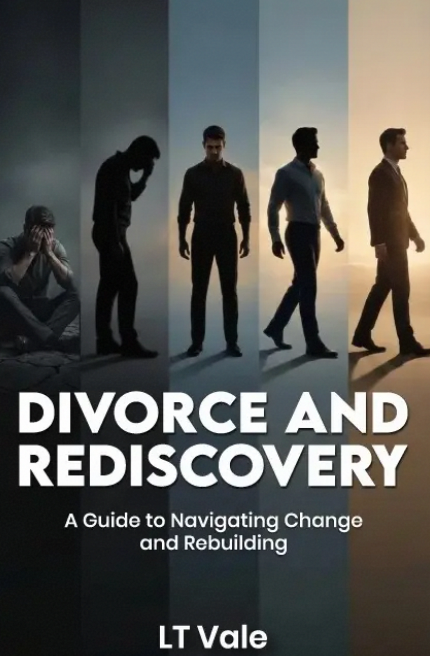
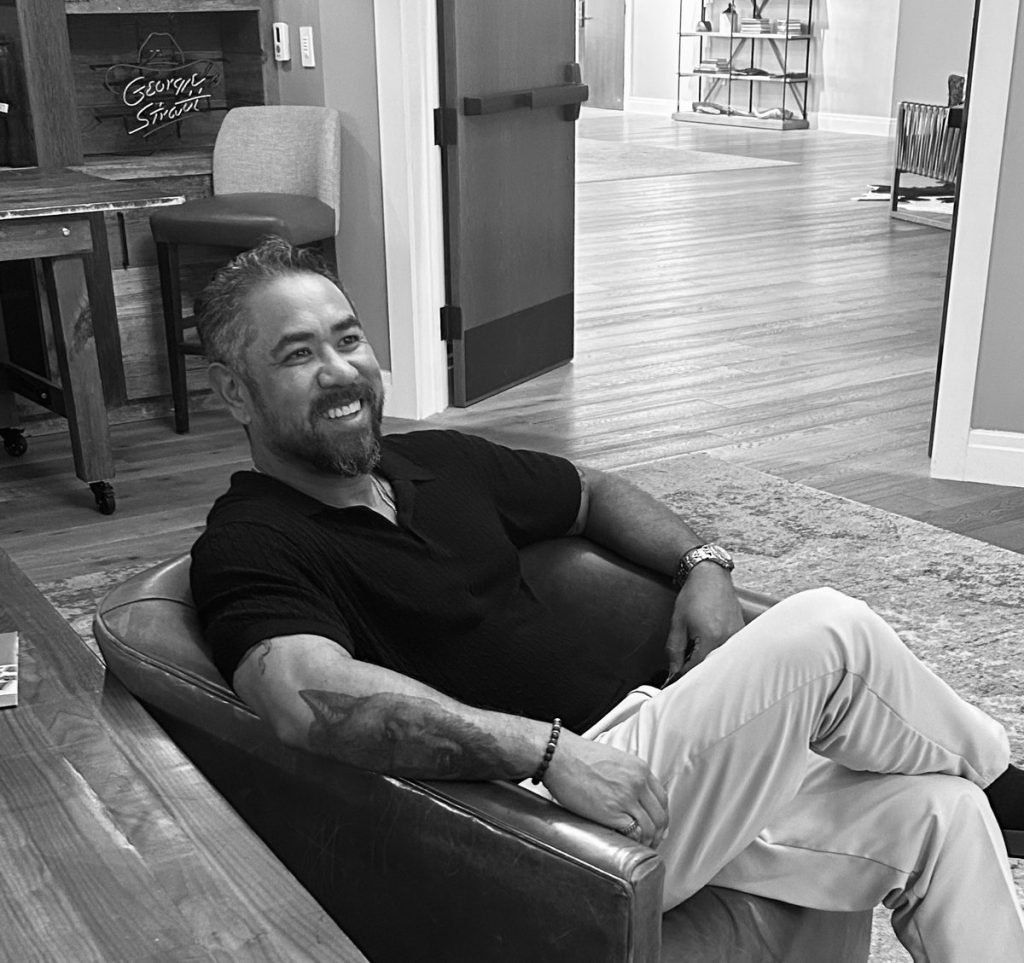
A five-part guide for men navigating divorce — from the first collapse through rebuilding identity, body, and purpose. Written by LT Vale. Get the book at divorceandrediscovery.com.
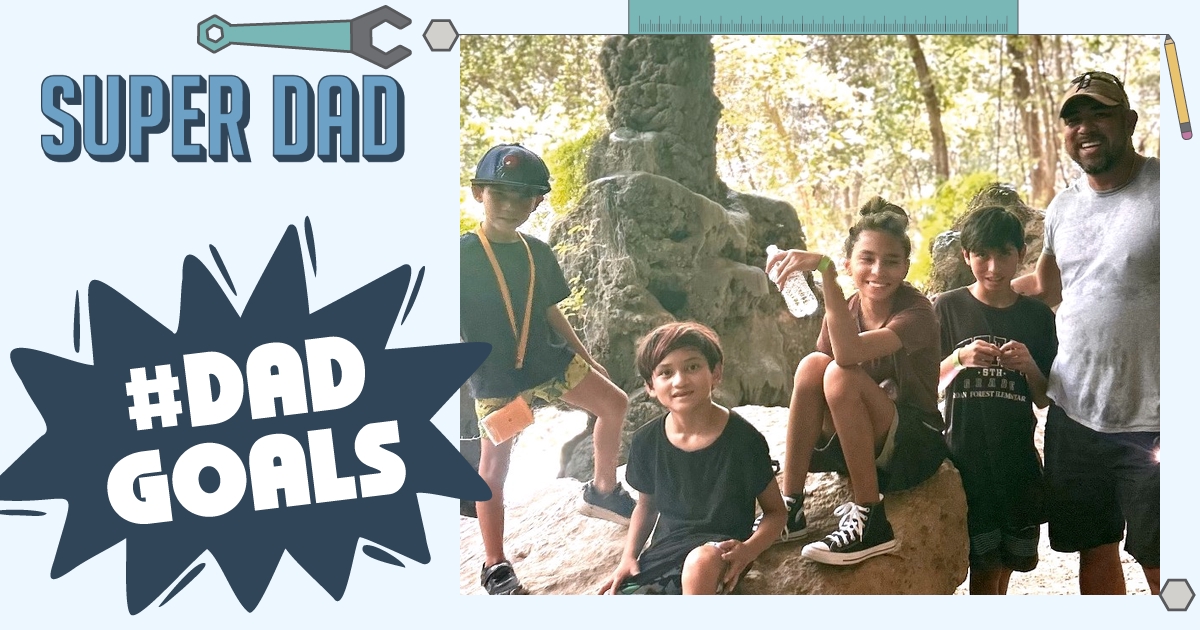
One extraordinary dad will appear in a national TV commercial provided by Ace Hardware and take home $25,000.
Want to find out if Heading is right for you?
Complete our consultation form and an intake specialist will get in touch.