Book an Appointment or call 855-204-2502
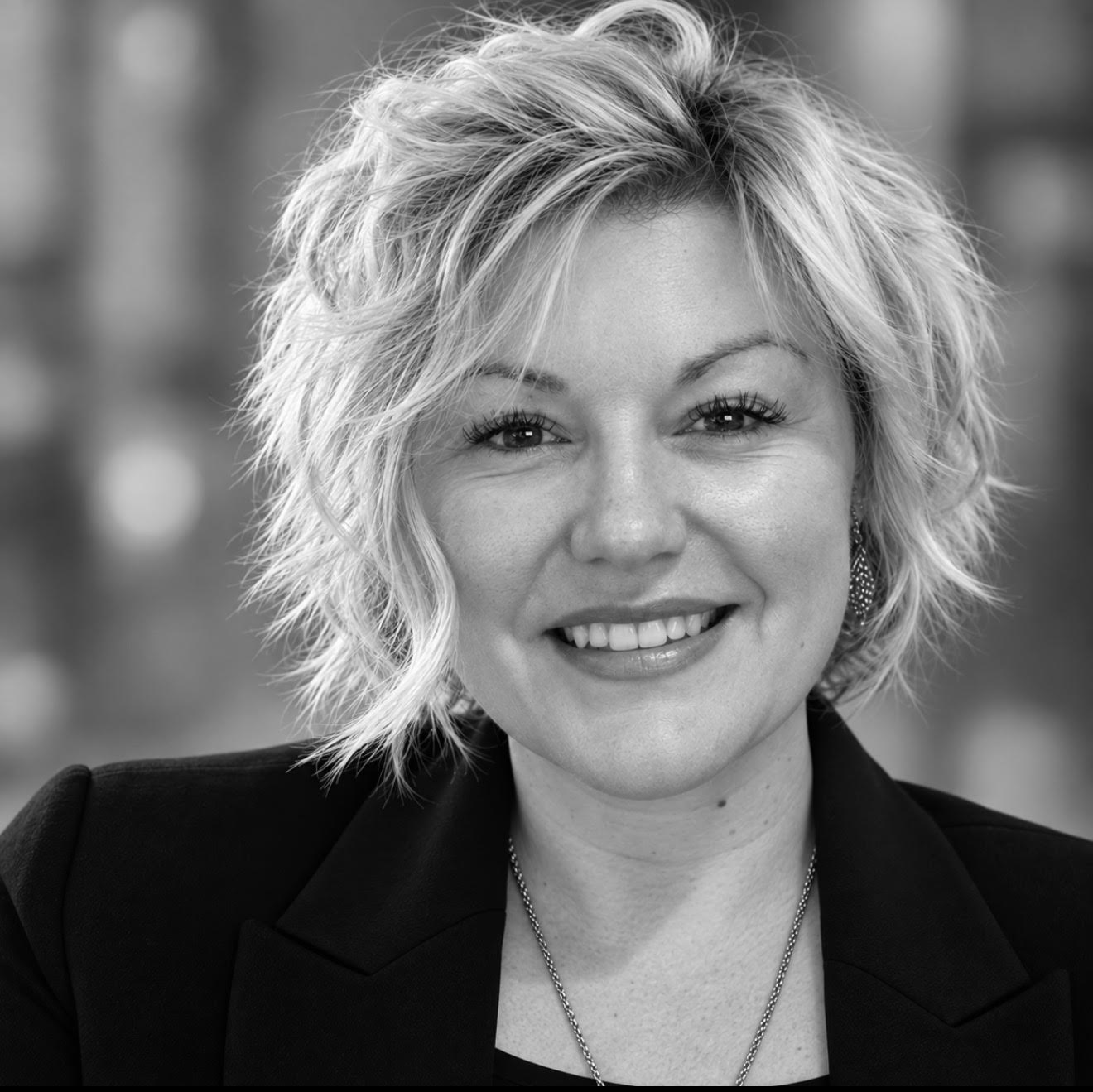
by Karrie Mathis
Loving someone with addiction can be one of the loneliest experiences in the world.
You may stay silent because the familiar, even when painful, can feel safer than the uncertainty
of what comes next. You can plan and prepare as carefully as possible, but nothing fully prepares
you for the chaos of addiction.
It can feel like a parasite consuming not only the life you knew, but your very soul—draining all the color from the world and slowly turning someone you love into a stranger.
When the truth threatens your relationship, security, family, or sense of safety, keeping quiet can
feel like the only way to hold on. You may fear how others will judge you or the person you
love—or how your loved one struggling with addiction might respond if you speak.
Just as someone struggling with addiction may need to recognize there is a problem before
seeking help, those who love them may need to face what addiction is doing to both of them.
That acknowledgment can feel like standing at the edge of a cliff, unable to see what lies below
or know what will happen if you leap.
I know that edge and how frightening it can be. When I finally took the leap, what waited for me
was difficult, but it was better than the illusion of safety I had been clinging to.
Sometimes addiction forces the moment for you.
And sometimes, even if you don’t leap, the ledge you thought was safe crumbles beneath you and takes you with it.
A Life Chained to Addiction
My marriage was shaped by my husband’s multiple addictions, from alcohol to prescription and
illicit drugs. It involved coercive control that escalated into mental, emotional, and financial
abuse. He believed he was lucky not to have the “addiction gene.”
For years, he denied the problem to himself and to me. His denial and gaslighting made it difficult to trust what I could see and feel.
When I finally found the courage to speak, I was made to feel that naming the problem meant I was the problem.
I watched the person I loved become someone I barely recognized, moving through life like a
zombie as he poured more of himself into chasing a high.
After addiction had taken so much from him, he turned to me and asked me to sacrifice myself, too—to give up my body, my family, my hope, and my sanity for something he insisted wasn’t a problem.
I turned that frustration inward. Was I explaining it wrong? Choosing the wrong words? Failing
to be patient and loving enough? I kept trying to make him understand, as if the right words
could make him see what he was denying.
I thought that once I was free of the chaos, the world would somehow turn back to normal…it
didn’t. Even after I left, I lived with daily panic, constant vigilance, and deep emotional trauma.
Many days, even the thought of getting out of bed took everything I had.
Finding Room to Heal
For a long time, I wrestled with what felt like a personal hypocrisy: using a drug to heal from the
harm and trauma of a relationship shaped by drugs.
It took time to come to terms with that, and to understand that medically supervised ketamine therapy is a very different thing from the addiction I had lived beside. After many, many sessions, I began to see beyond the lies and pain and find my way back to myself.
Heading Health gave me the tools I needed to let my pain become part of my recovery.
Treatment didn’t erase what happened, but it helped me create room for reflection and
possibility. After years of spending so much of myself simply surviving, that room gave me
something I had nearly lost: the ability to hear my own voice and imagine a future that belonged
to me.
I remember the moment it shifted.
In one session, I was able to hold both the pain my husband had caused and the pain I had turned on myself because of it, and I was able to turn that into compassion and love. Compassion for someone so lost in his own pain and grief that another hit or another drink felt less painful than facing the reality he had created.
Compassion for how much fear it must take to blindly follow that destructive force, because masking the pain felt safer than acknowledging it. And compassion for someone who poured herself into loving him so completely that she believed she could save him. I walked away from that session not
completely healed, but for the first time, I felt more at ease—and able to come to terms with the
truly destructive nature of addiction.
Ketamine therapy is not a magic bullet, and recovery is not a straight line.
I still have good days and hard days. I take them one at a time. Healing can be both messy and imperfect while still being real. I thank God I found something that helps me see beyond the pain of the day and keep moving forward. For me, each step is meaningful—even when it’s small.
Creating for People Who Feel Alone
At first, creating these books was a way to meet a need of my own. My counselor had suggested
coloring to relieve stress. I went looking for coloring books for people affected by addiction and
for people recovering from trauma and abuse. I couldn’t find the books I needed—the ones that
recognized the shame, confusion, grief, and self-doubt. So, I began creating them.
Addict by Choice: A Healing Coloring Book for Those Who Loved an Addict is for the people
who kept hoping, helping, and sacrificing—and who may still be grieving what could have been.
Through the simple, grounding act of coloring, I hope readers come to know this: someone else’s
addiction is not a measure of your worth. Despite what you may have been told, it is not
your fault. And if your loved one chooses the addiction over you, that does not mean you
weren’t enough.
I came to understand addiction as a monster that can distort reality and blind the person to the
harm it is causing. It does not get to make your pain any less real. When you’re wondering how
much more of yourself you have left to give, I hope you hear this:
You are not wrong for choosing yourself.
Loving someone does not mean abandoning yourself.
Sometimes walking away is one of the most loving things you can do for yourself—and for
them.
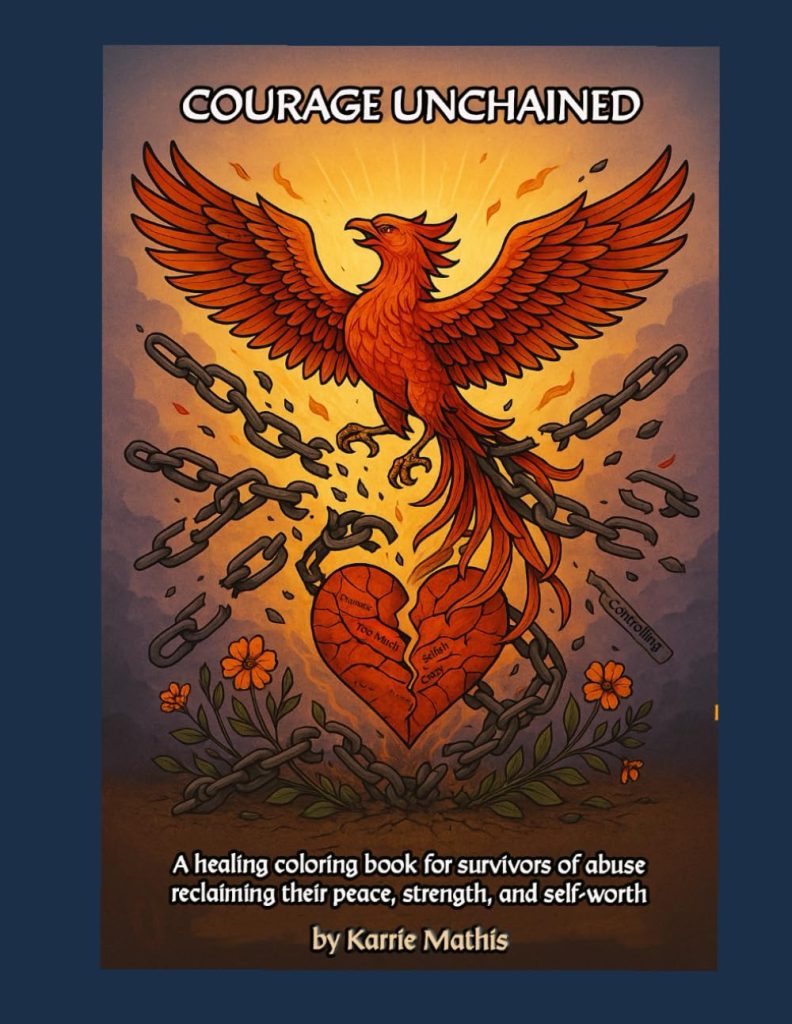
Courage Unchained is for anyone who was gaslit, silenced, shamed, or made to question their
reality.
It is for those who were told it wasn’t abuse because there were no bruises. Abuse can
change how you see yourself, what you trust, and whether you believe your own memories.
If you’ve been told you’re too sensitive or imagining things, please know:
I see you.
I believe you.
You are not broken.
You are enough.
One page in Courage Unchained says, “I met myself today.” It honors all the versions of me: the
child who needed a voice, the one who stayed silent because she didn’t know where she would
land if she leapt, and the person I am still becoming.
Ketamine has helped quiet the grief and pain enough for me to begin building a life of my own.
I’m learning to love every version of myself. I hope that one day, you, too, can wake to peace
instead of chaos.
These books aren’t a substitute for treatment or counseling. They are a message to everyone who
has felt alone or lost in the pain of addiction or abuse—a way to make room for grief, to feel
seen and heard, and to reflect and create.
That compassion has stayed with me, and it reaches everyone affected by addiction—not only
the person struggling, but also the family trying to stand beside them through the storm. So this
is my love letter to all of you.
To the person carrying the weight of someone else’s addiction: I see your pain, your strength,
and your grief for what could have been.
To the person finding a way back after abuse: I believe you. You are not imagining things. You
were never too much. You were always enough.
Finally, to the person living with addiction: You are not a monster. I hope you find what you
need to pull yourself out of the abyss. Your life matters. And if you can’t yet reach for help for
yourself, I hope you can take that first step for the person standing beside you, bleeding silently
and still holding out hope for you.
Sending my heartfelt love and compassion to everyone affected by addiction and abuse. I wish
you peace, the support you deserve, and the chance to find your way back to yourself—one day,
one breath, one small step at a time.
Addict by Choice: https://a.co/d/0bfApaBr
Courage Unchained: https://a.co/d/0axPxjKc
If you or someone you love needs support: National Domestic Violence Hotline, 1-
800-799-7233 (or text START to 88788). SAMHSA National Helpline, 1-800-662-4357,
free and confidential, 24/7.
Want to find out if Heading is right for you?
Complete our consultation form and an intake specialist will get in touch.